Moving millions of tons of military hardware across deserts and seas is no simple task. When tensions spike between Washington and Tehran, the Pentagon swings into high gear. You do not just load a few trucks and hope for the best. Every single pallet requires exact planning, secure routes, and heavy protection.

Supplying forces stationed across the Persian Gulf region involves a massive web of bases, airfields, and ports. Understanding US Iran war logistics means looking past the headlines about missiles and aircraft carriers. The real story happens behind the scenes in supply depots and transport hubs.
The Backbone of Regional Supply Lines
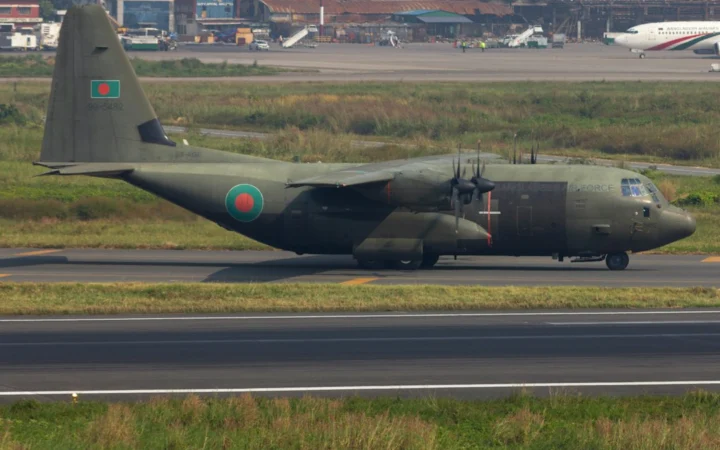
Air transport handles the most urgent requests. C-17 Globemaster and C-130 Hercules aircraft roar out of bases in Europe and the continental US daily. They touch down at critical regional nodes in Qatar, Bahrain, and the United Arab Emirates. These flights carry precision munitions, critical aircraft parts, and medical gear.
Speed costs money, though. Moving heavy armored vehicles or thousands of tons of fuel by air is wildly expensive. That is where naval sealift comes in. Massive cargo ships crawl across the ocean carrying the bulk of the heavy gear. These vessels dock at deep-water ports before local transport teams take over.
Overcoming Chokepoints and Security Hurdles
Geography poses a massive challenge for military planners. Waterways like the Strait of Hormuz create natural bottlenecks. Commercial cargo ships and military supply vessels must navigate narrow channels while facing potential threats from fast attack craft and coastal missiles. Planners constantly monitor these maritime routes to keep supplies flowing without disruption.
Land routes present different headaches. Convoy security requires constant surveillance from overhead drones and armed escorts on the ground. Local infrastructure varies wildly. Paved highways give way to rough desert tracks that tear up heavy truck suspensions. Mechanics work around the clock to keep transport fleets operational in brutal heat.
Contractor Support and Maintenance Networks
The military does not operate in a vacuum. Private defense contractors handle a huge share of the maintenance workload. Civilian technicians service radar systems, repair transport trucks, and manage warehouse inventories. This public-private partnership keeps active-duty troops focused on operational missions rather than turning wrenches.
Supply chains also rely heavily on host-nation agreements. Local logistics firms provide heavy equipment transport, fuel trucking, and base support services. Managing these contracts demands constant oversight by military contracting officers. Bureaucracy moves slowly, but supply shortages move even slower when a crisis hits.
Digital Tracking and Inventory Management
Paper clipboards and manual logs died out decades ago. Modern US Iran war logistics depend on sophisticated digital networks. RFID tags track every box from a factory in Ohio all the way to a bunker in the Middle East. Commanders monitor stock levels in real time on secure dashboards.
Visibility prevents waste. When units know exactly what is sitting in a nearby warehouse, they stop hoarding supplies. That transparency saves millions of dollars and ensures critical gear goes where it is needed most. Yet digital systems remain vulnerable to cyber attacks. Protecting these supply databases is just as important as guarding physical fuel depots.
Sustaining Long-Term Operations
A short clash requires stockpiles. A protracted standoff requires an industrial base. Munitions factories in the US run extra shifts to replenish stockpiles used during regional flare-ups. Sourcing raw materials like titanium and specialized electronics remains a constant pressure point for manufacturers.
Personnel management feeds into this logistical chain too. Rotations, food service, water purification, and base defense all demand continuous resupply. Keeping thousands of service members fed, clothed, and healthy in austere environments is a logistical marvel. Without this invisible machinery, front-line deterrence simply collapses.
For more information, visit our website.
Related reading
Update: US Iran Conflict Risk Assessment for UK Businesses
Update: US Federal Budget News: How Government Funding Fights Impact Washington