Tensions in the Middle East remain high as military analysts track every shift in the region. If you are following the US Iran war headlines, you already know the situation changes fast. Let’s break down the most critical updates right now.

1. Military Posture and Pentagon Deployments
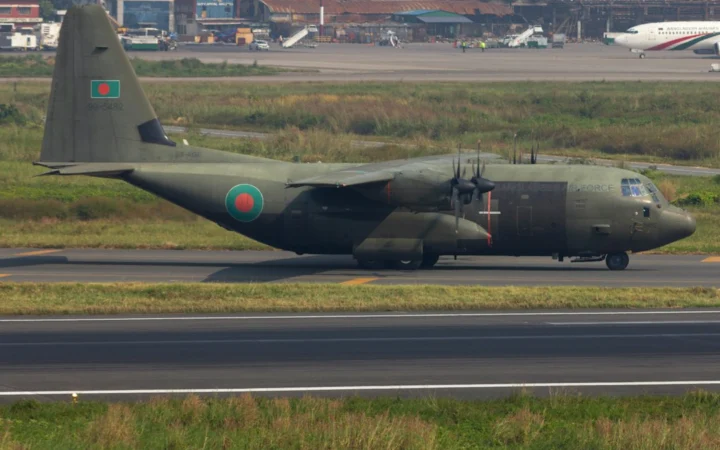
The Pentagon continues to adjust its assets across the Middle East. Aircraft carrier strike groups and extra fighter squadrons remain stationed in key strategic zones. Washington calls these moves defensive. Tehran views them as direct provocations.
Military planners want to deter proxy groups from launching sudden strikes against American personnel. Defense officials report that readiness levels stay elevated. Yet, neither side actually wants a full-scale regional conflict.
2. Diplomatic Channels Behind the Scenes
Open hostilities grab the headlines, but quiet talks happen daily. Oman and Qatar act as primary intermediaries between Washington and Tehran. These backchannels prevent miscalculations from turning into open warfare.
Messages pass back and forth through Swiss diplomats too. Both governments use these talks to draw clear red lines. Sanctions relief and nuclear program limits sit at the center of these sensitive discussions.
3. Economic Fallout and Energy Markets
Markets react instantly to every spike in rhetoric. Oil prices fluctuate wildly whenever a tanker faces disruption in the Persian Gulf. Energy traders price in potential supply shocks weeks before they happen.
Insurance rates for commercial vessels climbing through vital waterways have surged. For a deeper look at how these disruptions affect trade, check out our guide on British shipping strains. Higher shipping costs eventually hit supermarket shelves everywhere.
4. Cybersecurity and Asymmetric Warfare Risks
Physical combat is only one part of the modern playbook. Intelligence agencies warn about a looming wave of cyberattacks. Critical infrastructure in the US and allied nations faces constant scanning from state-backed hackers.
Financial institutions and energy grids remain prime targets. Security teams work around the clock to patch vulnerabilities. Most attacks get blocked early, but the threat never sleeps.
5. Congressional Oversight and War Powers Debate
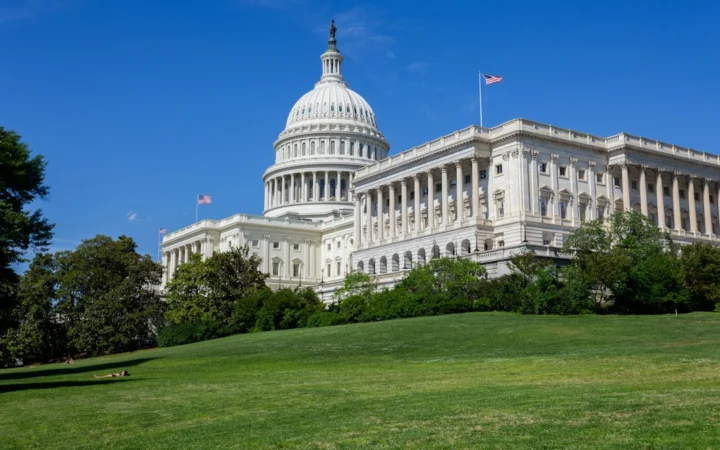
Lawmakers in Washington watch the executive branch closely. The Constitution gives Congress the power to declare war, but presidents often use broader authorities to deploy troops. Debates over the 2002 Authorization for Use of Military Force flare up regularly on Capitol Hill.
Some legislators push for stricter limits on presidential war powers. Others argue the commander-in-chief needs swift authority to protect national security interests abroad.
What to Watch Next in the US Iran War
The situation stays fluid. Watch for shifts in naval patrols or unexpected diplomatic breakthroughs. Small incidents can spark major escalations very quickly.
For more information, visit our website.
Learn more on Wikipedia: US-Iran War.
Related reading
- US Middle East Policy Shifts: What British Observers Need to Watch
- How to Track US Federal Spending Bills in Congress
Update: US Iran War Updates Today
Update: US Tariff Policy Latest News