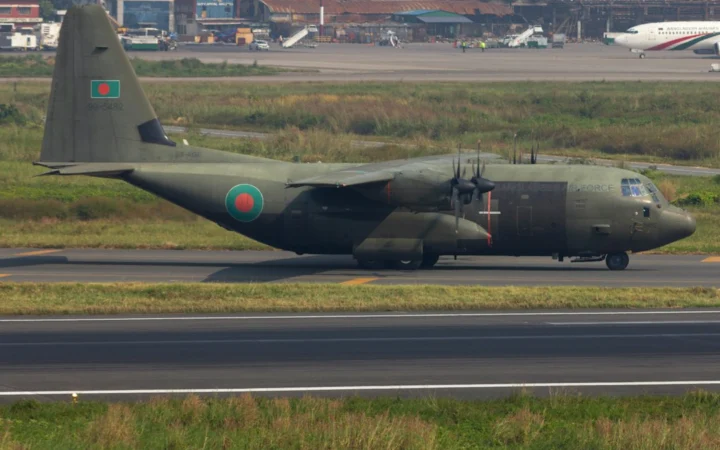
British businesses trading across the Middle East face a precarious environment. When US Iran tensions spike, commercial shipping lanes through the Persian Gulf feel the immediate pressure. Supply chains slow down. Insurance premiums skyrocket.
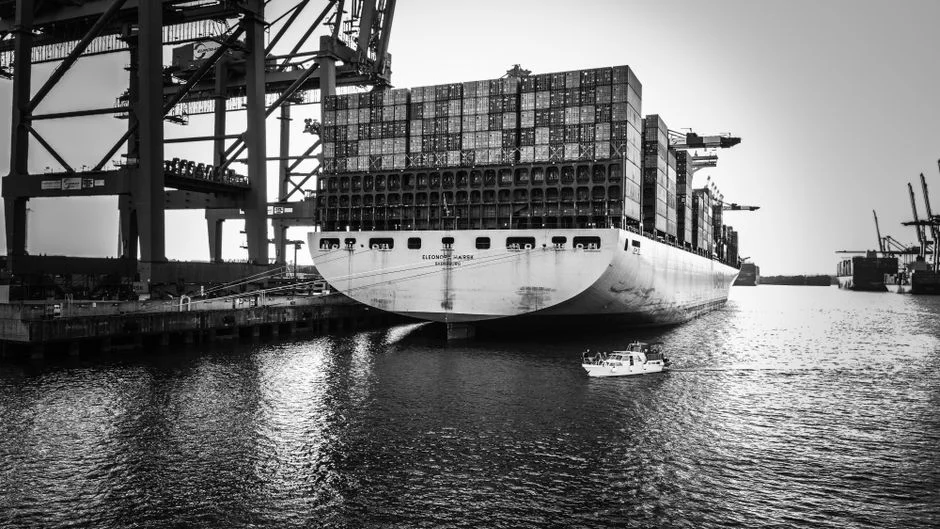
The Shipping Lane Reality
Container ships carrying goods from UK ports must pass through narrow maritime bottlenecks. The Strait of Hormuz remains a primary artery for global energy and cargo. Any friction between Washington and Tehran turns this route into a high-risk zone.
Exporters cannot simply ignore these disruptions. Delays cost money. Alternative routes add days to transit times. Companies trading industrial equipment or consumer goods find profit margins squeezed by unexpected overheads.
Insurance and Financial Hurdles
Marine underwriters react quickly to geopolitical instability. War risk surcharges apply almost overnight when military posturing increases in the region. British firms operating on tight contracts absorb these costs or pass them to buyers.
Banking compliance adds another layer of friction. Transaction monitoring becomes aggressive. Financial institutions scrutinize payments linked to the Middle East to avoid regulatory penalties. Legitimate British exporters sometimes face frozen wires or delayed settlements simply because of where their invoices originate.
Adapting to Unpredictable Markets
Smart operators diversify their logistics early. They don’t rely on a single shipping corridor. They maintain open lines with freight forwarders who understand local port dynamics. Mitigating risk requires constant vigilance and cash reserves to weather sudden transit blocks.
Macroeconomic ripples from Washington and Tehran reach far beyond diplomacy. They hit the ledger of every mid-sized UK exporter trying to sell goods abroad.
For more information, visit our website.
Related reading
- US Congressional Budget Battles: What the Next Funding Fight Means for Washington
- US Iran Ceasefire Updates: What to Know Right Now
Update: How to Track US Congressional Votes Online: A Step-by-Step Guide
Update: US Iran Conflict and UK Defense: Separating Regional Realities from Political Myths