Federal agencies rolled out a fresh wave of US immigration policy updates this week, targeting everything from southern border enforcement capacity to asylum interview scheduling. If you follow Washington politics, you know these shifts rarely happen quietly. Officials at the Department of Homeland Security argue these adjustments will streamline case backlogs. Critics, however, claim the stricter protocols severely limit humanitarian protections. Let us look at what these changes actually mean for families, legal practitioners, and applicants waiting in the queue.
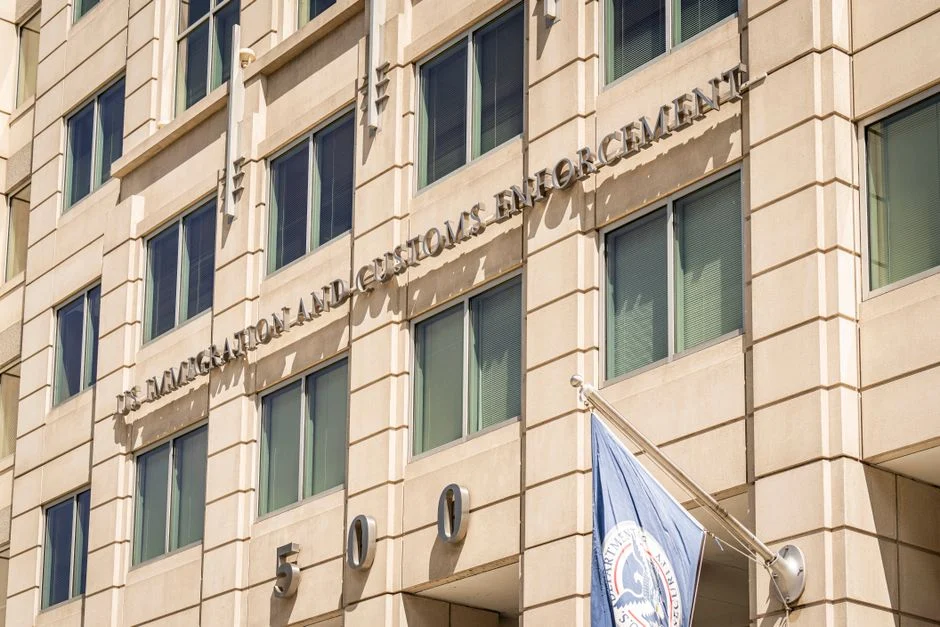
The biggest operational shift involves expedited removal proceedings. Border patrol stations now have broader authority to screen asylum seekers within days of arrival rather than months. That means detention facilities must process paperwork much faster. Officers receive new guidelines on credible fear interviews. Yet, field agents report bottlenecks persist because interpreters remain in short supply across several busy sectors.
How New US Immigration Policy Updates Impact Legal Processing Times
Backlogs at the Executive Office for Immigration Review have grown beyond three million active cases. The latest executive actions attempt to tackle this mountain of paperwork by deploying artificial intelligence triage tools. These systems sort routine applications from complex litigation. Still, attorneys handling deportation defense remain skeptical. Software cannot replace human discretion in nuanced asylum claims.
Visa processing fees also saw modest adjustments last month. USCIS justified the hikes by pointing to operational deficits. If you filed an adjustment of status petition recently, you likely noticed higher costs. Processing windows fluctuate wildly depending on the service center. Nebraska and Texas facilities report starkly different wait times for permanent residency cards.
Congressional Response and Legislative Standoffs
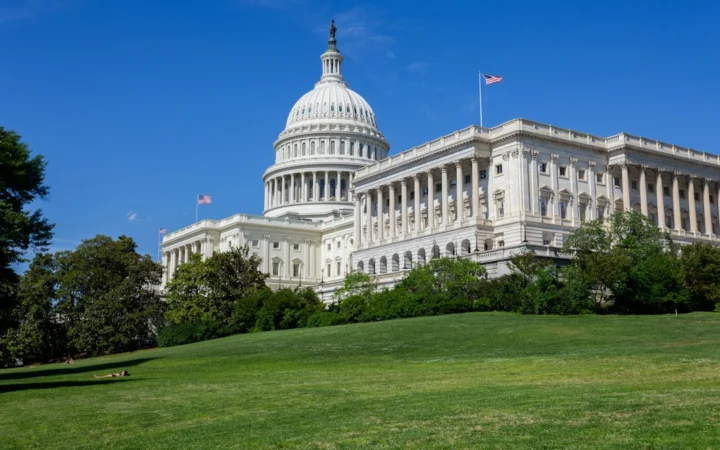
Capitol Hill remains deeply divided over comprehensive reform. House committees held heated hearings yesterday regarding border security funding. Republican lawmakers push for mandatory detention quotas and tighter restrictions on parole programs. Meanwhile, Democratic members advocate for expanded legal pathways and increased funding for immigration judges. Neither side shows an appetite for compromise right now.
This legislative gridlock leaves the executive branch holding the pen. Presidents rely heavily on administrative rulemakings when Congress cannot pass bills. Courts frequently block these directives. Federal judges in Texas and Washington state currently weigh multiple injunction requests concerning the newest asylum curbs. Expect prolonged legal battles before any permanent framework settles into place.
Practical Realities for Applicants and Employers
Navigating the system feels chaotic for everyday applicants. Missing a single notice mailed to an old address results in automatic case dismissal. Employers hiring foreign talent face stricter compliance audits. Human resources teams must verify work authorization documents with extreme precision. Simple clerical errors now trigger costly delays or federal penalties.
Staying informed requires constant vigilance. Federal agencies update their policy manuals frequently without major press announcements. Check official government portals directly rather than relying on social media rumors. Legal aid organizations offer free workshops for those who cannot afford private counsel. Protecting your status means paying close attention to every procedural shift as it unfolds.
For more information, visit our website.
Related reading
- US Defense News: Heavy Hardware Versus Agile Tech in Modern Procurement
- Debunking Middle East Conflict Misinformation: How to Spot Fake Footage Online
Update: US Tariff Policy Shifts and Global Trade Impacts
Update: Five Ways US Maritime Security Operations Shape Persian Gulf Shipping