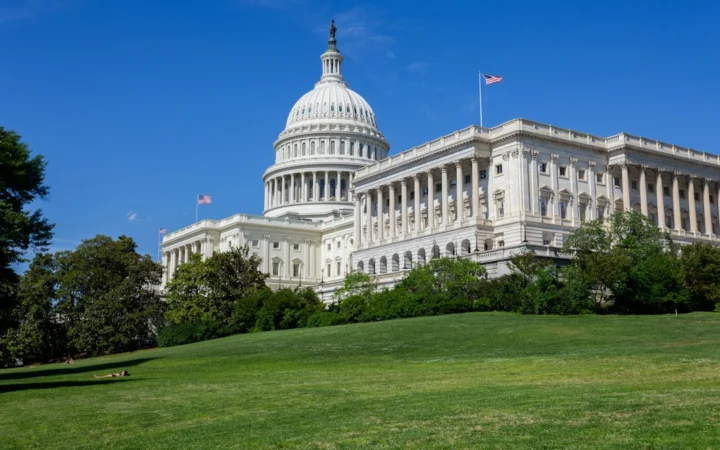
Why Washington Relies on Short-Term Funding
Congress loves a deadline. Every autumn, lawmakers face the exact same high-stakes cliff: funding for federal agencies expires, and a government shutdown threatens to freeze public services nationwide. Rather than passing twelve regular spending bills on time, Capitol Hill routinely defaults to a temporary fix called a continuing resolution. These stopgap measures just extend existing funding levels for a few weeks or months. Sure, they avoid immediate chaos, but they also kick the fiscal can straight down the road.

The Myth of the Permanent Fiscal Solution
Plenty of observers assume prolonged budget negotiations eventually lead to a grand compromise. In reality, modern budget battles rarely end with a comprehensive, long-term spending agreement. Both political parties constantly use these funding deadlines as leverage for broader policy riders or deep spending cuts. When consensus proves impossible, leadership simply stacks another short-term bill on top of the pile. This toxic cycle stops agencies from planning long-term programs or hiring effectively.
Federal contractors feel this pain acutely. Defense and technology firms cannot start new projects or award subcontracts when funding arrives in thirty-day increments. Government employees face the constant anxiety of potential furloughs. That kind of operational stop-and-start costs taxpayers billions in administrative inefficiencies every single year.
How Stopgap Measures Impact Federal Operations
Operating under a continuing resolution means agencies are forced to maintain the status quo. They cannot launch new initiatives, shift resources to emerging priorities, or respond flexibly to changing economic conditions. If a federal department identifies an urgent security vulnerability or a public health need, funding it requires Congressional sign-off that rarely comes quickly during a budget impasse.
Meanwhile, public discourse focuses almost entirely on the political theatre of the looming deadline. Cable news networks run countdown clocks. Party leaders hold duelling press conferences. By the time a stopgap passes with hours to spare, the underlying structural dysfunction remains entirely unaddressed.
Breaking the Cycle of Budget Impasse
Fixing this routine takes a lot more than wishful thinking. Some lawmakers advocate for automatic continuing resolutions that kick in whenever Congress misses a deadline, removing the threat of a shutdown entirely. Critics argue that removing the deadline would eliminate the only forcing mechanism capable of driving lawmakers to negotiate. Others push for biennial budgeting to give Congress a full two-year runway for fiscal planning.
Until a serious procedural reform finally takes root, federal agencies will keep operating from crisis to crisis. Washington’s reliance on temporary patches isn’t just an accident of timing. It’s a deliberate symptom of deep political division where simply avoiding a shutdown remains the only achievable bipartisan goal.
For more information, visit our website.
Related reading
- US Supreme Court Docket: What Cases Are Deciding Federal Power Right Now
- US Federal Government Updates: Omnibus Bills Versus Single-Subject Legislation
Update: US Tariff Policy Updates: What Washington's Latest Trade Moves Mean