When tensions spike across the Persian Gulf, defense analysts in London immediately look toward US Central Command for answers. This unified combatant command shapes security dynamics from the Horn of Africa through Central Asia. British policymakers watch these movements closely because regional stability directly impacts UK trade routes and energy supplies. Understanding how this military apparatus functions helps cut through the noise of breaking headlines.

What is US Central Command and where does it operate?
It acts as the primary military headquarters directing American forces across twenty-one nations. That vast territory spans the Middle East, parts of North Africa, and Central Asia. Founded back in the early 1980s, the command replaced earlier task forces designed to protect Western interests during Cold War friction.
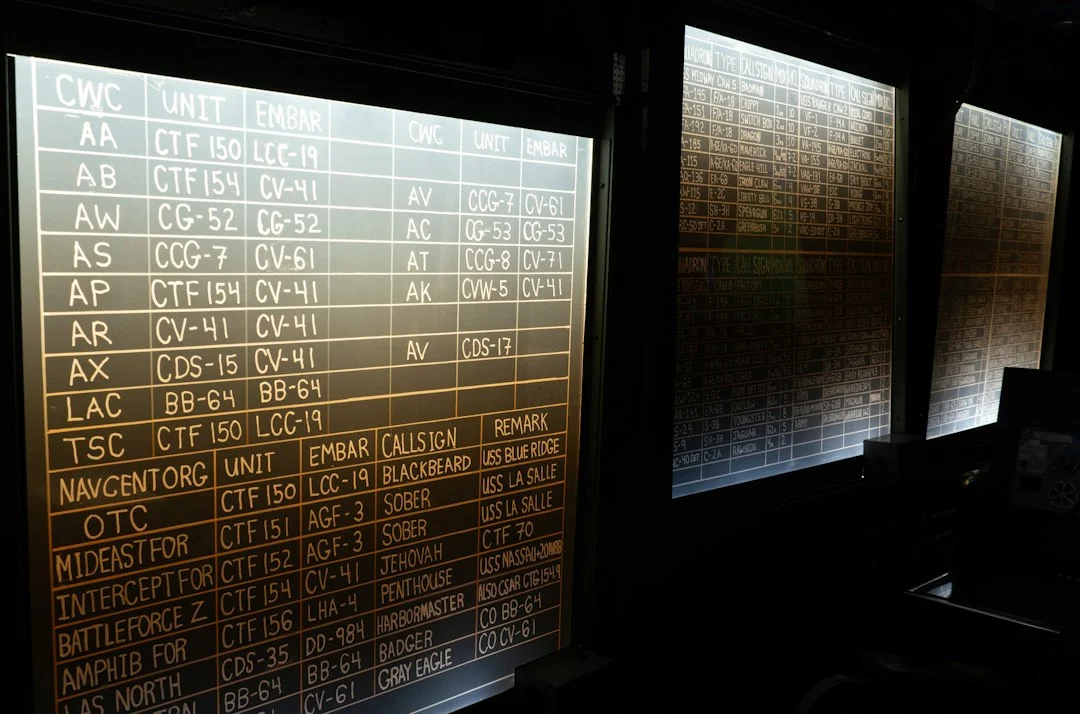
Headquartered formally at MacDill Air Force Base in Florida, it maintains massive forward-deployed elements right near the action. Officers monitor regional airspaces, maritime corridors, and ground deployments around the clock. They coordinate joint exercises with regional partners and respond rapidly when conflicts flare up near vital shipping lanes.
How does US Central Command coordinate with the Royal Navy?
British warships operating east of Suez rarely work in isolation. The Royal Navy maintains a permanent presence in Bahrain through Operation Kipion, sharing intelligence and operational pictures with American counterparts daily. This close partnership stems from decades of joint maritime security efforts in the region.
When threats emerge against commercial tankers, liaison officers stationed at coalition headquarters synchronize patrol routes. You can read more about how these dynamics affect local trade routes in our detailed breakdown on US Iran War risks and British shipping strains. Joint task forces pool radar data and drone surveillance to cover massive expanses of water that no single nation could patrol alone.
What key bases support US Central Command missions?
Logistics drive modern military operations. Without forward operating bases, strategic reach collapses quickly. Qatar hosts Al Udeid Air Base, serving as the nerve center for regional air operations and command functions. Thousands of service members live and work at this massive installation.
Bahrain accommodates the US Navy Fifth Fleet, anchoring American sea power right in the Gulf. Meanwhile, facilities in the United Arab Emirates and Kuwait provide essential staging grounds for army units and logistical supplies. These host nations sign specific defense agreements allowing foreign troops to station personnel permanently.
How do British military personnel work alongside US Central Command?
Exchange postings place British officers directly inside American command centers. You’ll find RAF pilots, Royal Navy commanders, and British army planners embedded at headquarters in Florida and across regional outposts. They bridge communication gaps and ensure allied doctrines align seamlessly during joint missions.
This integration goes beyond token representation. British staff officers hold real operational responsibilities, planning flights, managing logistics, and briefing commanders on equal footing with their American peers. When crises erupt, this shared institutional memory prevents costly misunderstandings between London and Washington.
What operational challenges face US Central Command today?
Asymmetric threats complicate modern defense planning. Drones, ballistic missiles, and fast attack craft deployed by non-state actors test traditional missile defense shields. Commanders must balance high-end deterrence with day-to-day force protection across dozens of vulnerable sites.
Budget pressures and shifting strategic priorities in Washington also force the command to do more with less. Planners increasingly rely on artificial intelligence, automated surveillance networks, and agile deployment models to stretch limited resources across an expansive theater.
For more information, visit our website.
Learn more on Wikipedia: US Central Command.
Related reading
- Demystifying US Asylum Policy: What Recent Border Enforcement Changes Mean
- US Iran War Energy Crisis
Update: US Supreme Court Decisions: Key Legal Battles Shaping American Policy
Update: Middle East Energy Routes: What UK Importers Need to Know Right Now