American skies handle thousands of commercial flights every single day. Behind this massive operation sits a network known simply as US air traffic control, managing departures, arrivals, and en-route tracking across the continent. Yet, decades-old infrastructure currently strains under record passenger volumes and outdated computer systems. Federal agencies face mounting pressure to overhaul these operations before safety margins shrink further.
The Core Challenges Facing US Air Traffic Control Today
Controllers routinely rely on equipment installed decades ago. Some facilities still use paper flight strips to track aircraft movements across sectors. Staffing shortages compound these technical hurdles. Federal Aviation Administration data shows persistent vacancies among certified professional controllers at critical regional hubs. Long shifts and mandatory overtime create fatigue risks across major towers. Industry groups warn that these operational strains increase delays for domestic and international carriers alike.
Federal Funding and Congressional Action on US Air Traffic Control
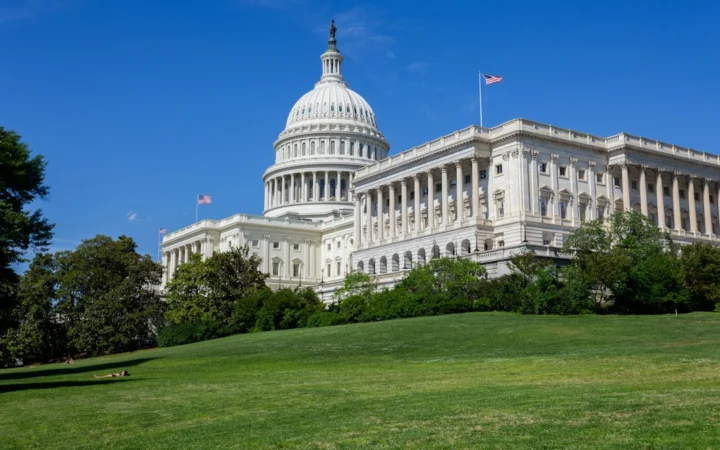
Lawmakers in Washington have debated several legislative packages to address these deep-seated vulnerabilities. Appropriations bills frequently target multi-billion-dollar investments aimed at facility repairs and software upgrades. Lawmakers argue that patching old systems no longer suffices. Instead, agencies require comprehensive overhauls to match modern traffic demands. Congressional committees regularly haul aviation officials before Capitol Hill hearings to demand accountability and clear timelines for hardware replacements.
Technology Upgrades and Radar Replacements
Engineers are rolling out digital display systems to replace cathode-ray tube monitors in select regional centers. These new screens give personnel clearer data feeds and sharper resolution. Software automation tools also help predict congestion bottlenecks before they disrupt flight paths. Still, transition timelines stretch across several years. Upgrading active facilities without interrupting live traffic presents immense logistical hurdles for project managers.
What This Means for Transatlantic Travellers and Global Aviation
British travellers crossing the Atlantic often connect through major eastern seaboard airports like New York JFK or Boston Logan. Bottlenecks within US air traffic control directly cascade into international arrival schedules. Flight cancellations and ground stops rippling out of domestic hubs frequently disrupt long-haul connections. Airlines coordinate closely with federal dispatchers to reroute aircraft around stormy weather or congested sectors. Understanding these underlying infrastructure shifts helps passengers anticipate schedule disruptions before heading to the airport.
For more information, visit our website.
Related reading
- US Iran Diplomacy: The Quiet Channels Shaping Middle East Tensions
- Tracking US National Guard Deployments
Update: US Iran Conflict Energy Pressures: Why British Drivers Are Paying the Price
Update: Decoding US Supreme Court Decisions: The Myths and Realities of Federal Power