Naval Strategy in the Persian Gulf
Tensions in the Persian Gulf keep naval planners awake at night. When the Strait of Hormuz flashes orange, commercial vessels face real threats from regional interceptors. Protecting global energy supplies requires tough choices. Governments must decide how best to safeguard oil tankers moving through narrow international channels.
Two primary approaches dominate military discussions. One relies on broad regional patrols. The other uses direct, armed convoy escorts. Both carry heavy price tags and distinct operational risks. Let’s look at how they stack up against each other.
The Case for Broad Regional Patrols
Naval patrols involve warships cruising designated sectors. They maintain a visible presence. They respond to distress calls when trouble arises. This strategy lets maritime forces cover vast areas without tying down every single destroyer to a slow-moving commercial vessel.
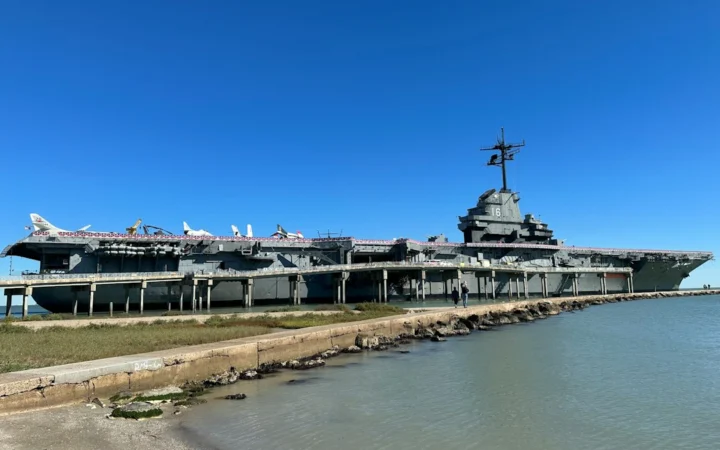
It sounds efficient on paper. Yet, it has glaring weak spots. A warship might sit fifty miles away when armed fast boats swarm a supertanker. By the time help arrives, the boarding is already over. The US Navy and allied coalitions use this method heavily because it requires fewer resources, but it often feels reactive rather than preventative.
Why Direct Convoy Escorts Change the Math
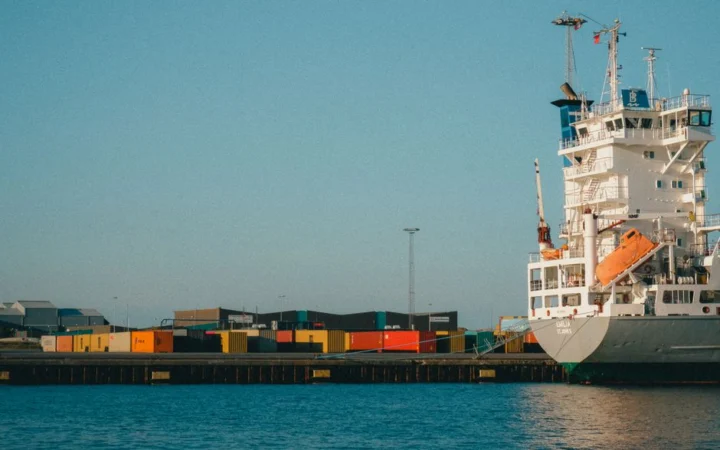
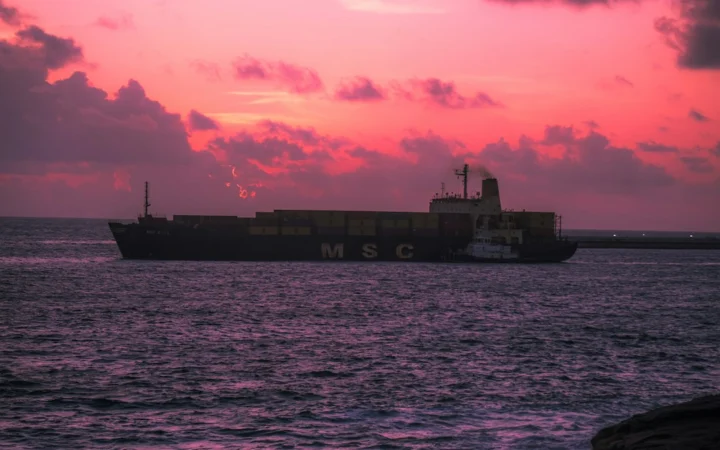
Escort operations flip the script. Warships physically accompany merchant ships from port to destination or through chokepoints like the Strait of Hormuz. When a guided-missile destroyer sails alongside a container ship, hostile actors think twice before making a move.
This method offers maximum protection. It deters aggressive maneuvering by state actors. However, it drains military readiness. Escorting ships at ten knots wears out hulls, burns immense fuel, and leaves fewer warships available for other global flashpoints. Navies hate this approach for its sheer inefficiency, even if clients love the security it provides.
Comparing the Costs and Risks
Money talks in military budgeting. Patrols consume predictable fuel quotas. Escorts demand constant coordination, encrypted communications, and high alert levels. Insurance rates for cargo carriers fluctuate wildly depending on which security umbrella is active.
When the Strait of Hormuz experiences heightened friction, underwriters raise premiums fast. Shipowners want escorts. Governments want patrols to save money and keep assets flexible. That clash creates permanent friction between commercial operators and defense ministries.
Which Approach Wins?
Neither strategy works in pure isolation. Pure patrols leave tankers too vulnerable to sudden ambushes. Constant escorts exhaust crews and strain fleet maintenance schedules beyond safe limits.
The pragmatic answer involves a hybrid model. Use targeted escorts for high-risk vessels carrying critical cargo. Rely on intelligence-led patrols for the rest of the fleet. That compromise keeps oil moving without breaking the bank or wearing out the fleet.
For more information, visit our website.
Learn more on Wikipedia: Strait of Hormuz.
Related reading
- US Government Shutdown News: What Actually Happens When Federal Funding Lapses
- US Immigration News: Border Enforcement Versus Expanded Legal Pathways
Update: What Recent US Supreme Court Decisions Mean for Federal Power