Tankers are altering routes, insurance premiums are spiking, and the Strait of Hormuz latest news paints a volatile picture for global energy markets. Ships passing through this narrow Persian Gulf chokepoint face heightened military scrutiny and security warnings. British exporters and shipping operators are left weighing two distinct operational paths to keep goods moving without risking catastrophic losses.
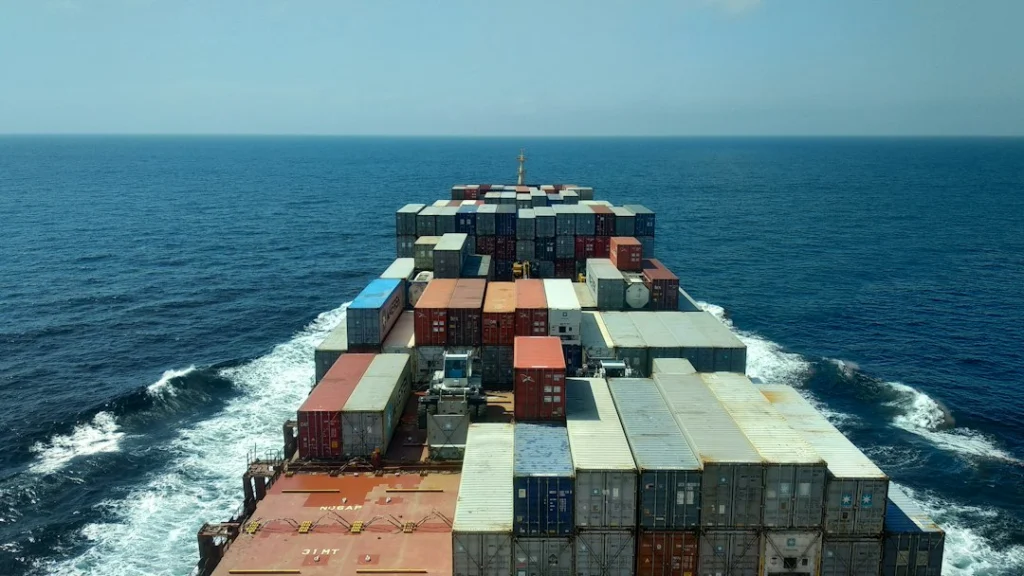
Rerouting Around the Cape of Good Hope
Avoiding the Middle East entirely is the safest bet for cargo owners right now. Vessels bypass the Red Sea and the Persian Gulf altogether. They head south around Africa instead.
It sounds straightforward. It adds thousands of miles to the journey. Transit times jump by nearly two weeks for ships heading from Asian ports to Northern Europe. Fuel costs soar immediately. Engine wear increases. Supply chains stretch thin.
Many carriers accept these delays because human lives and multi-million-pound hulls matter more than schedule efficiency. But that choice comes with a heavy price tag. Consumers ultimately pay more at the checkout. Importers absorb high shipping tariffs. If you run tight inventory margins, this option wrecks your cash flow.
Sailing Through: High-Risk Transit
The alternative involves sticking to traditional routes through the Gulf. Captains rely on naval escorts, active satellite monitoring, and direct communication with coalition forces. This keeps transit times short. It saves fuel. It gets commodities to docks on schedule.
It also exposes vessels to immense danger. Interceptions happen. Miscalculations spark regional conflicts. When tensions flare up near the water, insurance underwriters react brutally. War risk surcharges shoot up overnight. One stray drone strike ruins an operator’s balance sheet.
This approach suits companies dealing in time-sensitive perishables or urgent energy supplies. They cannot afford a two-week detour. They gamble on safety protocols holding firm.
Which Strategy Works Best?
You have to look at your risk tolerance and cargo type. If you ship non-perishable consumer goods, take the long way round. Absorb the extra transit days. Protect your crew from harm.
Energy firms and critical raw material importers rarely have that luxury. They must navigate the Strait of Hormuz latest news daily, adjusting security posture ship by ship. They rely on detailed risk assessments before making port calls.
For more background on regional dangers, read US Iran War Risk Assessment for UK Shipping and Exporters to understand how underwriters evaluate these threats.
The Bottom Line
Don’t gamble on peace breaking out tomorrow. Build long detours into your baseline planning if you can. If you must sail through the Gulf, buy comprehensive insurance and stay in constant contact with naval authorities. Safety beats speed every single time.
For more information, visit our website.
Related reading
- Strait of Hormuz Tanker Transit: Escorted Convoys vs. Independent Sailing
- How to Read US Supreme Court Opinions: A Guide for British Observers
Update: Royal Navy Operations in the Middle East: British Defence Strategy Amid US-Iran Tensions
Update: Strait of Hormuz Oil Crisis