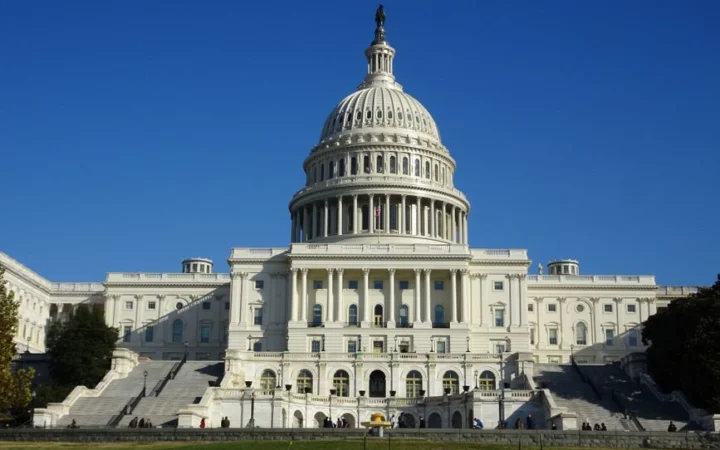
When a piece of legislation starts moving through Capitol Hill, the ripple effects often reach across the Atlantic. British businesses, journalists, and researchers frequently need to track what lawmakers in Washington are up to. But digging into US congressional bills from a desk in London or Edinburgh can feel baffling if you do not know where to look. Official portals hold every document, amendment, and vote. You just need to know how to navigate the system without getting lost in the bureaucratic weeds.

Starting Your Search on Congress.gov
Your first stop should always be Congress.gov. This site serves as the official public database for federal legislation. It replaces older, clunkier government portals and offers a clean interface. Type your search terms into the main bar. You can look up keywords, bill numbers, or specific lawmakers.
Filters on the left side of the screen help narrow your results. You can sort by legislative chamber, like the House or Senate, or filter by current status. Skip reading every single document that pops up right away. Just focus on the core text first.
Bills go through many drafts before they become law. A measure might start out as a simple two-page proposal and swell into a massive package covering unrelated topics. Always check the most recent version date. The latest text sits right under the ‘Text’ tab at the top of the bill summary page.
Decoding the Lifecycle of US Congressional Bills
Legislation rarely passes on the first try. Most proposals die quietly in committee. Understanding where a measure sits in the legislative pipeline tells you whether it matters right now or remains a long-term longshot.
When a member introduces a measure, it gets a number like HR 100 for the House or S 100 for the Senate. Next, leadership sends the text to a specific committee. Committees hold hearings and mark up the text. Sometimes they rewrite the entire proposal from scratch.
Funding measures often move through intense partisan battles before reaching a vote. You can read more about how these legislative showdowns affect Washington dynamics in our guide on US federal budget news.
If a committee approves a measure, it moves to the floor for debate. Both chambers must pass identical text. If the House and Senate pass different versions, a conference committee reconciles the differences. Only then does the text head to the White House for a presidential signature or veto.
Examining Committee Reports and Hearings
Reading the raw text of US congressional bills tells you what lawmakers want to do. Committee reports tell you why they want to do it. These documents provide essential context that pure legal language often misses.
Look for the ‘Committee Materials’ tab on Congress.gov. Here you will find committee reports, hearing transcripts, and witness testimony. These files reveal which industries lobbied for specific clauses. They also show which experts warned against unintended consequences.
Witness statements often include deep economic data or technical breakdowns. If a proposed rule targets tech platforms or energy exports, the testimony explains the exact policy rationale. British firms tracking regulatory shifts find these reports invaluable for forecasting compliance changes.
Tracking Amendments and Floor Votes
Legislation changes constantly during floor debates. Lawmakers attach amendments at the last minute. A clean bill can turn into an omnibus vehicle overnight.
Check the ‘All Actions’ tab to see a chronological history of every vote and amendment. This timeline shows who offered changes and whether those amendments passed. Roll call votes tell you exactly how individual senators and representatives voted.
Party leadership often whips votes tightly, but bipartisan surprises happen. Reviewing individual voting records helps analysts gauge political backing. Strong bipartisan support usually signals smooth implementation ahead. Divided votes mean ongoing uncertainty for foreign stakeholders.
Setting Up Alerts for Ongoing Monitoring
You cannot check legislative databases manually every day. Smart researchers automate the process. Congress.gov lets you create a free account and save searches.
Set up email alerts for specific topics, bill numbers, or individual politicians. Whenever a new draft drops or a committee schedules a hearing, you get a notification. Third-party aggregators also offer advanced tracking features, though the official government portal handles basic monitoring needs quite well.
Keep your alert keywords focused. Broad terms generate too much noise. Specific phrases yield precise results that save you hours of reading time each week.
For more information, visit our website.
Related reading
- How to Track US Naval Movements in the Middle East From the UK
- How to Research US Federal Lobbying Disclosures From the UK