British supply chain managers are spending their mornings dealing with stubborn Middle East transport disruptions that refuse to clear. Planes burn extra fuel to avoid closed airspace. Ships burn weeks of additional time sailing around the African cape. Cargo that once moved on predictable schedules now arrives whenever it can. If you run an import business in the UK, you already feel this pinch in your cash flow. Government departments track these shipping lanes closely, while corporate boardrooms scramble for backup plans. Here are four concrete ways these regional tensions are altering how goods actually reach British warehouses.
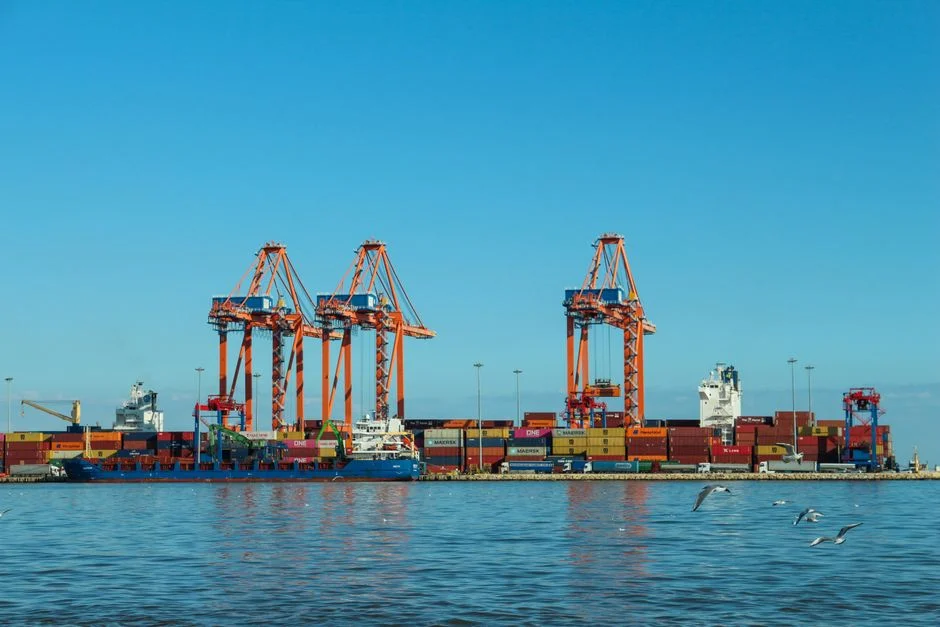
1. Air Freight Pressures Caused by Middle East Transport Disruptions
Planes cannot fly the routes they used to. Airlines avoid the skies above the Persian Gulf and surrounding territories because insurance underwriters refuse to cover commercial jets operating near active military zones. That means flights from Asia and parts of the Middle East take longer northern detours or southern tracks. Pilots burn extra jet fuel. Airlines pass those costs straight to corporate customers.
For British businesses importing high-value electronics, medical devices, or perishable goods, the air freight market got brutally expensive. Space on remaining cargo flights fills up fast. Forwarders fight for every pallet space. You cannot book cargo a few days in advance anymore. You need weeks of lead time just to secure a slot on a plane. Cargo hubs at Heathrow and East Midlands report tight capacity as carriers juggle extended schedules.
Passengers face their own set of headaches when airlines adjust schedules, a reality explored in our breakdown of Middle East air travel risks. But for cargo handlers, the operational puzzle is entirely about weight, fuel burn, and payload limits. When planes take longer routes, they carry less freight to save fuel. That math squeezes available tonnage even further.
2. The True Cost of Maritime Rerouting
Sea freight faces an even heavier burden. Major container lines keep their vessels away from the Red Sea and the Suez Canal. Instead of cutting through Egypt to reach Mediterranean ports and northern Europe, massive container ships steam all the way around the Cape of Good Hope.
This detour adds roughly ten to fourteen days to a standard voyage from Asian manufacturing hubs to Felixstowe or Southampton. Ten days at sea costs millions in bunker fuel. It also ties up containers. When boxes sit on ships crossing the southern Atlantic instead of returning quickly for reloading, equipment shortages pop up at ports worldwide. British importers find themselves waiting longer for raw materials and finished retail products alike.
Port operators in the UK have adjusted their berth planning to handle bunching. Ships do not arrive on tidy weekly schedules anymore. Three vessels might show up on the same Tuesday because they weathered storms and routing changes together. Warehouses struggle to unload the sudden flood of stock, creating bottlenecks at container yards across the country.
3. Insurance Spikes Threaten British Supply Chains
Underwriters at Lloyd’s of London price risk based on reality, and the reality in these shipping lanes is volatile. War risk insurance premiums skyrocketed the moment regional hostilities escalated. Shipowners pay vastly higher fees just to transit affected waters, and those costs filter down to the companies booking the cargo through steep carrier surcharges.
Smaller British firms absorb a disproportionate blow from these hikes. Large multinational corporations can negotiate flat rates across multi-year contracts. Smaller importers often face spot-rate volatility that changes week by week. A shipment of furniture or automotive parts might suddenly cost twenty percent more to move than it did a month prior. CFOs cannot forecast transport budgets accurately when carrier surcharges fluctuate without warning.
Cash flow suffers immediately. Importers must pay higher freight bills long before the goods arrive at a British distribution centre to be sold. That gap strains working capital, forcing some firms to tap credit lines just to keep inventory moving.
4. Preparing Your Business for Ongoing Middle East Transport Disruptions
Smart operators stopped waiting for normal conditions to return months ago. They treat extended transit times as the baseline now. Procurement teams source backup suppliers closer to home or diversify manufacturing bases away from regions dependent on volatile shipping corridors.
Inventory buffers grew larger across British warehouses. Just-in-time logistics worked brilliantly during decades of stable global trade. Today, that model leaves companies vulnerable to sudden port closures and route shifts. Holding extra safety stock costs money in storage fees, but it prevents factory lines from shutting down when a container ship takes the long way around Africa.
Communication with logistics providers matters more than ever. Daily updates from freight forwarders help purchasing managers spot bottlenecks before shipments stall. Transparency keeps retail partners informed about delayed delivery windows. You cannot control geopolitical friction, but you can build flexibility into your supply chain before the next disruption hits the wire.
For more information, visit our website.
Related reading
- US Inflation Data and Consumer Spending Trends: What British Businesses Need to Know
- US Small Business Loans: Separating Fact From Fiction as Interest Rates Shift
Update: Iran War Impact on US Gas Prices: Weighing Short-Term Relief Against Long-Term Energy Strategies
Update: US Minimum Wage Hikes: Separating Small Business Realities from Economic Myths