US Minimum Wage Hikes: Separating Small Business Realities from Economic Myths
State-level increases to the us minimum wage are reshaping commerce from coast to coast. Business owners face shifting labor costs while politicians debate the economic fallout. The federal baseline remains stalled at $7.25 per hour. Yet dozens of states now push their own statutory floors past $15. That disconnect creates a chaotic patchwork of regulations for employers. Independent shops and local restaurants feel the pressure first. They cannot absorb sudden payroll spikes as easily as multinational corporations. Critics predict mass closures and runaway inflation. Supporters promise thriving workers and stronger consumer spending. Reality sits somewhere in the messy middle. Let us examine what actually happens when local pay floors jump.
Myth One: Every Small Business Folds Immediately
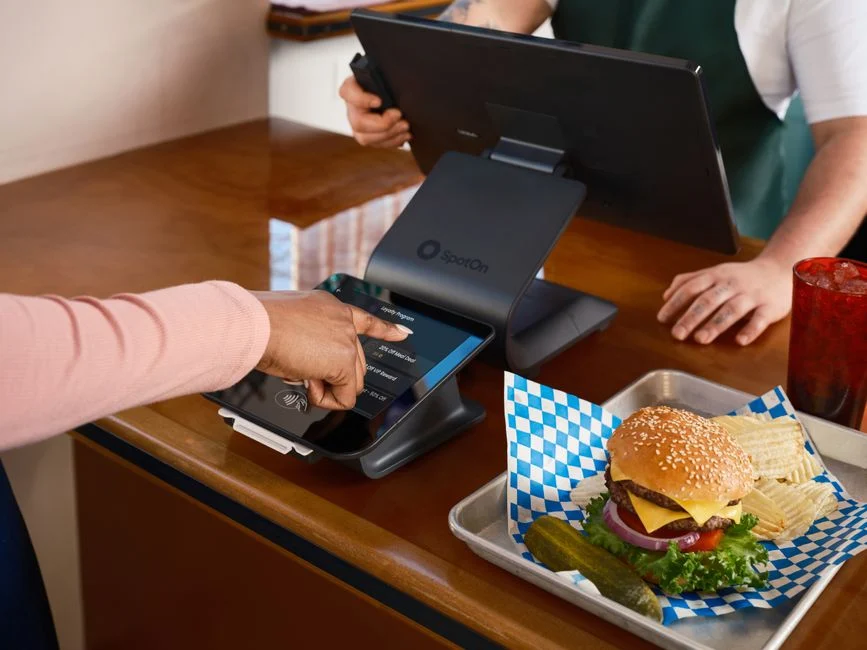
Doom-laden predictions accompany nearly every wage mandate. Lobbyists often claim that a higher legal pay floor spells instant ruin for main street merchants. Data paints a more nuanced picture. Businesses do not simply vanish overnight. Many adapt through subtle operational shifts. They raise menu prices carefully. They optimize shift scheduling to eliminate wasted hours. Some invest in automated ordering kiosks to reduce front-of-house headcount. Survival depends heavily on industry sector. High-margin tech startups barely notice the change. Low-margin coffee shops and diners feel every single cent. Blanket assumptions fail because local markets react differently.
Employee turnover often drops when pay goes up. Experienced staff stick around longer. Owners save thousands on hiring and training replacements. That retention boost helps offset initial payroll pain. Still, cash flow constraints remain brutal for first-year ventures. A sudden wage jump can choke a new bakery before it builds a loyal customer base. Mitigation strategies matter immensely.
Myth Two: Higher Pay Floors Cure All Poverty Instantly
Proponents sometimes frame wage legislation as a silver bullet for economic inequality. Raising the us minimum wage sounds like an automatic fix on paper. Economics rarely works that cleanly in practice. Employers often respond to mandated pay hikes by cutting overall staff hours. Workers might earn more per hour while taking home less weekly pay. Full-time positions quietly become part-time roles. Benefits packages get trimmed to balance the ledger. Some businesses quietly trim perks like free meals or uniform allowances.
Inflationary pressures also eat away at wage gains. If every café in a neighbourhood raises prices simultaneously, basic goods cost more. The net purchasing power of the worker barely budges. Low-income families still face high rent and grocery bills. A higher wage is a vital piece of the puzzle. It is never a complete economic rescue mission by itself.
The Real Problem: Compression and Margin Squeeze
Payroll math is unforgiving. When entry-level pay rises from $10 to $16, internal wage compression kicks in instantly. Long-serving supervisors earning $18 demand raises to maintain their relative standing. Owners cannot ignore those internal demands without losing key personnel. Total payroll expenses swell far beyond the simple statutory bump.
Wholesale supply costs complicate the picture further. Food distributors, logistics firms, and software vendors face the exact same labor pressures. They pass those costs downstream. Independent operators get squeezed from both sides. Suppliers charge more for raw materials. Workers cost more to employ. Consumer price tolerance has hard limits. Customers walk away if a simple sandwich crosses an unspoken price threshold.
Practical Solutions: How Smart Owners Adapt to New Pay Mandates
Successful operators do not panic when a new us minimum wage law takes effect. They rethink their entire business model. Efficiency becomes the primary goal. Menu engineering replaces guesswork. High-profit items get prominent placement while low-margin items vanish from the board. Cross-training becomes standard practice. One employee handles multiple tasks during quiet afternoon lulls.
Technology adoption accelerates rapidly. Digital inventory tracking cuts waste. Online reservation systems reduce front-desk staffing needs. These upgrades require upfront capital. That barrier locks out underfunded enterprises. Well-capitalized firms pull further ahead of struggling competitors. Labor reform unintentionally drives market consolidation.
Transparency with customers also plays a crucial role. Patrons accept modest price bumps when they understand local realities. Clear communication builds trust. Blaming government mandates outright alienates some shoppers. Focusing on product quality and fair treatment resonates better. The strongest brands survive margin pressure through superior execution.
Policy battles will continue in state capitals nationwide. Economic realities will keep testing the resilience of local commerce. Adaptability separates thriving businesses from those that merely complain.
For more information, visit our website.
Learn more on Wikipedia: US minimum wage.
Related reading
- Iran War Impact on US Gas Prices: Weighing Short-Term Relief Against Long-Term Energy Strategies
- US Iran Tensions and British Shipping
Update: US Consumer Spending Trends: What British Businesses Need to Know
Update: US Small Business Loans: SBA Funding Truths for British Exporters