Commercial vessels navigating the vital waterways of the Middle East face heightened uncertainty as geopolitical flashpoints multiply. Tankers and cargo ships hauling energy supplies must constantly adapt to shifting threat levels. Understanding Persian Gulf transit risks requires looking past daily headlines to examine actual naval movements, insurance adjustments, and chokepoint vulnerabilities.
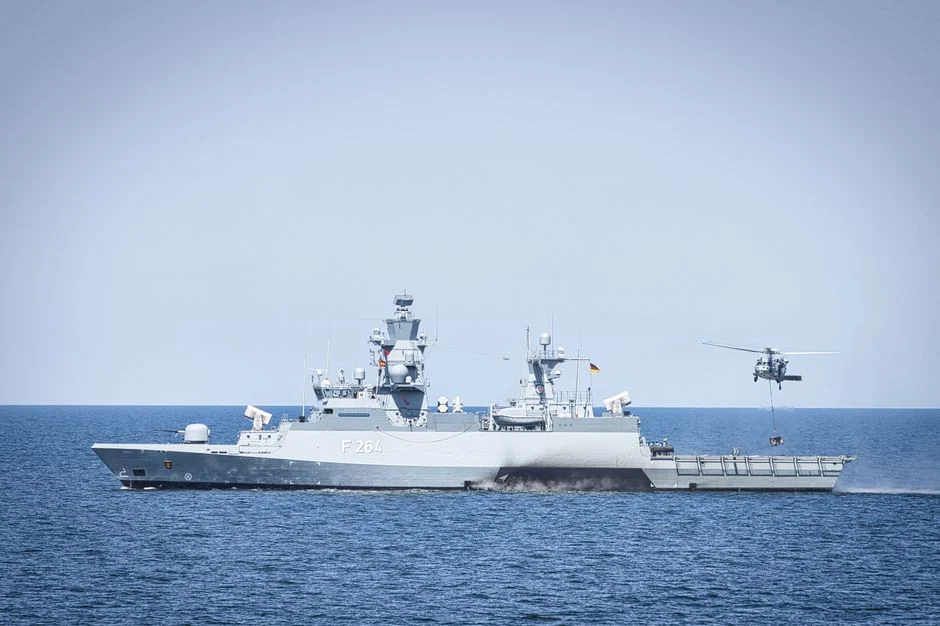
Washington maintains a robust military footprint across the region to protect commercial sea lanes. Yet, commanders face difficult operational choices daily. Resources stretch thin across vast maritime zones. Here are four essential facts shaping the current security climate.
1. The Strategic Weight of the Strait of Hormuz
Geography dictates global energy flows. Roughly a fifth of the world’s petroleum passes through a narrow channel barely twenty-one miles wide at its absolute minimum. Tankers leaving ports in Saudi Arabia, Kuwait, and the United Arab Emirates must squeeze through this aquatic bottleneck. When tensions spike between Washington and Tehran, shipowners immediately brace for disruption.
Naval escorts offer a measure of deterrence, but they cannot eliminate every threat. Small fast-attack craft and coastal missile batteries pose persistent hazards. Insurance premiums for hulls operating in these waters fluctuate wildly based on recent incidents. Shippers pass these extra costs down the line. British firms importing fuel or manufactured goods from the Gulf eventually feel the squeeze.
2. How US Naval Deployments Shape Persian Gulf Transit Risks
The Pentagon relies heavily on carrier strike groups and guided-missile destroyers to maintain a stabilizing presence. These formidable warships project power across thousands of miles of blue water. They monitor radar screens constantly. They track suspicious surface contacts and airborne tracks.
Planners constantly debate whether floating fortresses or fixed regional airbases provide better security for these waters. You can read more about that operational dilemma in our analysis of Middle East defense strategy and force deployment choices. Ships at sea offer mobility, but they also present high-value targets. Commanders must balance aggressive patrolling with force protection mandates.
Joint patrols with regional allies add another layer of complexity. Coordinating communications between different national navies takes time and practice. Misunderstandings at sea happen fast. A single miscalculated radio call can escalate a minor interception into a dangerous crisis.
3. Electronic Interference and GPS Spoofing
Physical attacks grab most of the media attention. Electronic warfare poses an equally serious danger to modern merchant shipping. Vessels rely heavily on satellite navigation systems to plot exact courses. Regional actors frequently employ powerful jammers that disrupt GPS signals entirely.
Captains report sudden losses of positional awareness near contested maritime boundaries. Some crews watch their digital charts place them miles inland while they sit safely in open water. This tech-based interference forces mariners to dust off traditional paper charts and celestial navigation techniques. Relying solely on automated bridge systems becomes a dangerous gamble.
Cyber intrusions targeting port infrastructure add to the operational headache. Logistics firms manage complex supply chains through vulnerable digital networks. A successful breach at a major regional hub delays cargo manifests for weeks. British logistics managers watch these digital security metrics as closely as physical weather reports.
4. Maritime Insurance and Economic Fallout
War risk underwriters hold immense sway over global trade patterns. When regional friction increases, insurance syndicates in London recalculate their exposure overnight. Premiums for voyages touching high-threat zones can jump by thousands of dollars per day.
Some smaller operators simply refuse contracts involving the area. Major shipping lines absorb the higher overhead, but consumers ultimately pay higher prices at the pump and on retail shelves. The economics of maritime commerce tie distant boardrooms directly to regional naval standoffs.
Governments issue periodic warnings to flag states, urging extreme caution near specific coordinates. Crew members face psychological strain operating in zones where air raid sirens or naval warnings sound with little advance notice. Retention of experienced merchant mariners becomes harder as hazard levels climb.
The interplay between geopolitical friction and commercial shipping remains fragile. Every diplomatic breakthrough or sudden escalation directly shifts the baseline for Persian Gulf transit risks. Cargo keeps moving, but the margin for error shrinks with every passing month.
For more information, visit our website.
Related reading
Update: US Tariff Policy Updates: What Importers and Exporters Face Now
Update: Iran Nuclear Talks Latest News