Moving across the Atlantic to launch a business in America sounds like a grand adventure until you hit your first brick wall at a local bank branch. US small business loans rarely come easily to newcomers who lack a deep credit history on American soil. Lenders want years of tax returns, local credit scores, and verified personal guarantees before they hand over a dime. If you just arrived from Britain, you will quickly find your solid UK trading record counts for almost nothing to a commercial loan officer sitting in New York or Austin.
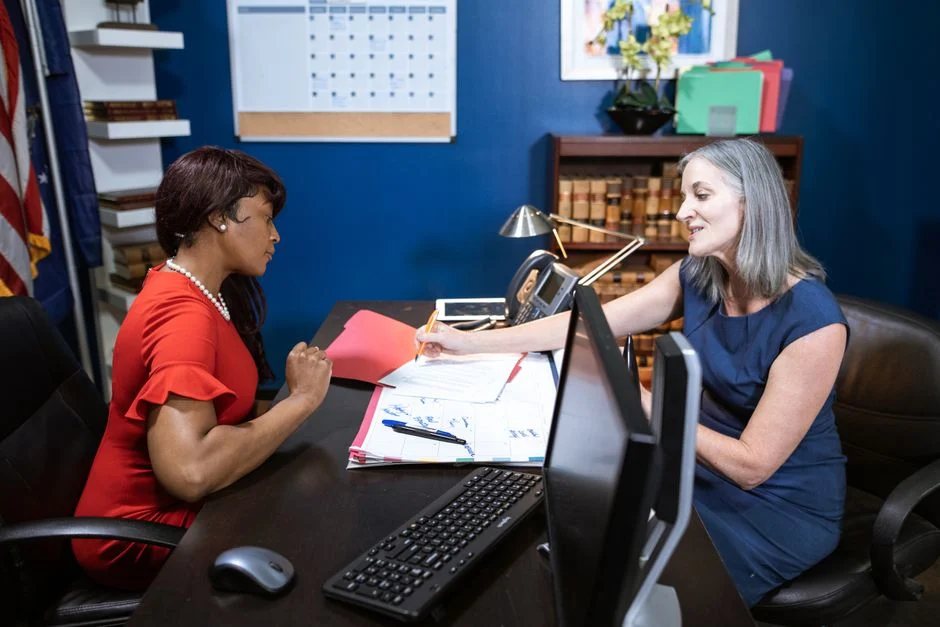
The Myth of Easy Foreign Founder Financing
Plenty of online forums claim that setting up a Delaware LLC grants you instant access to American bank funding. That assumption trips up thousands of founders every single year. A legal entity alone won’t unlock cheap credit if the owners live abroad or hold temporary visas. Banks look at the human behind the paperwork. Without a US residential history, your application goes straight to the manual review pile. Most traditional high-street banks will reject non-resident applicants outright simply because their risk models demand a domestic credit file.
Visa Status Dictates Your Borrowing Power
Your immigration status matters far more than your business model when you sit down with a commercial lender. Holders of E-2 investor visas or L-1 intracompany transfers face completely different rules than green card holders or US citizens. Some lenders require a co-signer who holds permanent residency or citizenship before they approve any funding. Try explaining that requirement to a British business partner who has successfully run three companies back home. It feels completely baffling, yet American lending regulations are tied tightly to personal liability and recovery jurisdiction.
SBA Loan Realities for Non-Citizens
Small Business Administration backing makes loans attractive because banks assume less risk and offer lower interest rates. However, SBA guidelines place strict residency requirements on borrowers. You generally need to be a lawful permanent resident or a US citizen to qualify for standard 7(a) loans. Temporary visa holders usually get turned away at the door for these specific government-backed programs. Don’t waste weeks filling out SBA paperwork if your passport says British and your visa is non-immigrant.
Alternative Funding Paths That Actually Work
When traditional banks say no, you have to look elsewhere for cash. Fintech lenders and specialised business credit card issuers care more about your monthly revenue than your personal immigration history. Companies like Stripe Capital or online merchant cash advance providers evaluate your cash flow directly through your payment processor. They charge higher interest rates, sure, but they fund accounts within days instead of months. It’s an expensive compromise, but sometimes it’s the only practical way to buy inventory or pay local staff while you build a domestic credit profile.
Building US Business Credit From Scratch
You cannot skip the line when it comes to American credit history. Start by opening a business bank account with an institution that actually understands international founders. Grab a secured corporate credit card and pay the balance off every single week without fail. Register your business with Dun & Bradstreet to establish a formal commercial credit file. It takes twelve to eighteen months of disciplined borrowing and repayment before local lenders start taking your enterprise seriously. Treat this process like a slow marathon rather than a quick sprint, and your financing options will eventually open up.
For more information, visit our website.
Related reading
- US Federal Reserve Interest Rate Decisions: What UK Observers Need to Know
- US Business Tax Deductions
Update: US Business Credit Cards