Shoppers across America are changing how they spend their money. Recent US retail news highlights a massive tug-of-war between traditional brick-and-mortar storefronts and ultra-fast digital delivery apps. Retailers face tough choices right now. Operating costs keep climbing, but shoppers want lower prices. Companies can’t simply raise tags without losing buyers to discount competitors.
The Discount Store Strategy
Dollar General and Walmart lean hard into value items. They focus heavily on grocery essentials and household basics. Families need food and cleaning supplies every single week. Discount chains grab steady foot traffic by keeping these items cheap. Other merchandise takes a back seat on shelves. Shoppers respond well to this focused approach.
Target takes a slightly different path. They update store designs and push private-label brands. These house brands offer decent margins for the company while giving buyers a cheaper alternative to name brands. It’s a smart balancing act. But it requires constant supply chain upkeep to keep shelves full.
The Digital Delivery Race
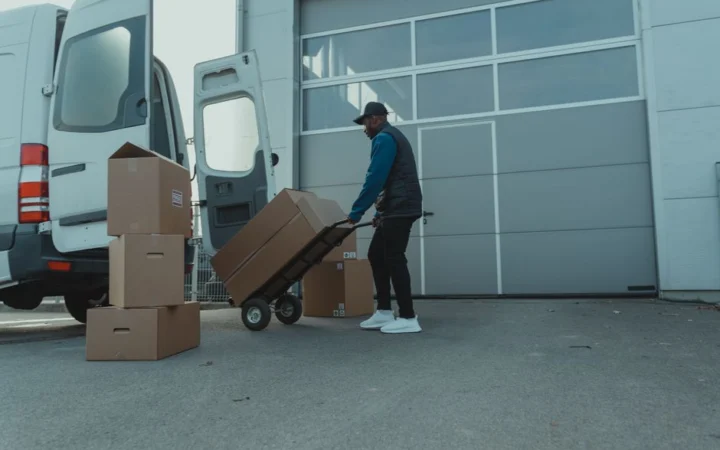
Online ordering changed everything about US retail news over the past few years. Amazon still dominates overall volume. Walmart closes the gap quickly using local superstores as fulfillment hubs. Orders pack and ship directly from your neighborhood store. Speed matters more than ever.
Smaller boutique stores struggle to match this logistics network. They rely on third-party shipping services that cost a fortune. Customers expect free two-day shipping as a baseline right now. Independent shops find this hard to sustain without eating into already thin profit margins.
Comparing the Two Approaches
Big-box dominance offers unmatched convenience and low prices. You get massive selection under one roof. You can also pick up online orders in the car park within minutes. Yet, customer service often feels impersonal. Staff members rush to clear tasks instead of helping shoppers find specific items.
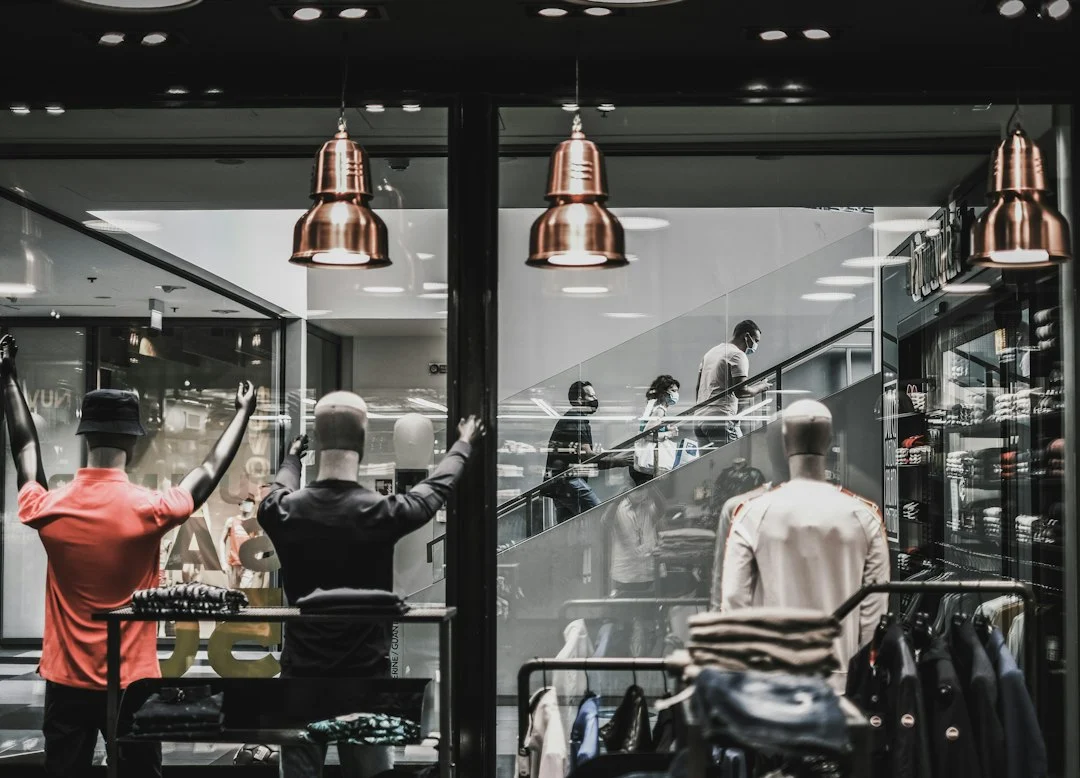
Local specialty shops offer the opposite experience. You walk in and talk to someone who knows the inventory inside out. You find unique products unavailable at massive national chains. Prices run higher, though. Delivery takes longer, and return policies lack the flexibility of massive corporations.
The Clear Winner for Modern Shoppers
Convenience and price win out for most households today. Major chains take the crown for sheer utility. They save families precious time and money during tight economic stretches. Local boutiques still hold charm, but big-box stores dictate where the market goes next.
For more information, visit our website.
Related reading
- How US Corporate Bankruptcy Works: Chapter 11 Explained for UK Readers
- US Consumer News: Name Brands Versus Store Labels in a Shifting Market
Update: How to Open a US Business Bank Account as a UK Founder
Update: US Tariffs Explained: How Import Duties Affect Foreign Businesses