Shipping goods across the Atlantic used to mean dealing with endless paperwork and sky-high carrier fees. Today, sending items through the US Postal Service has become a reliable route for British businesses selling to American buyers. You don’t need a massive logistics department to make it work. Let’s look at how you can get your products moving stateside without losing your mind or your profit margin.
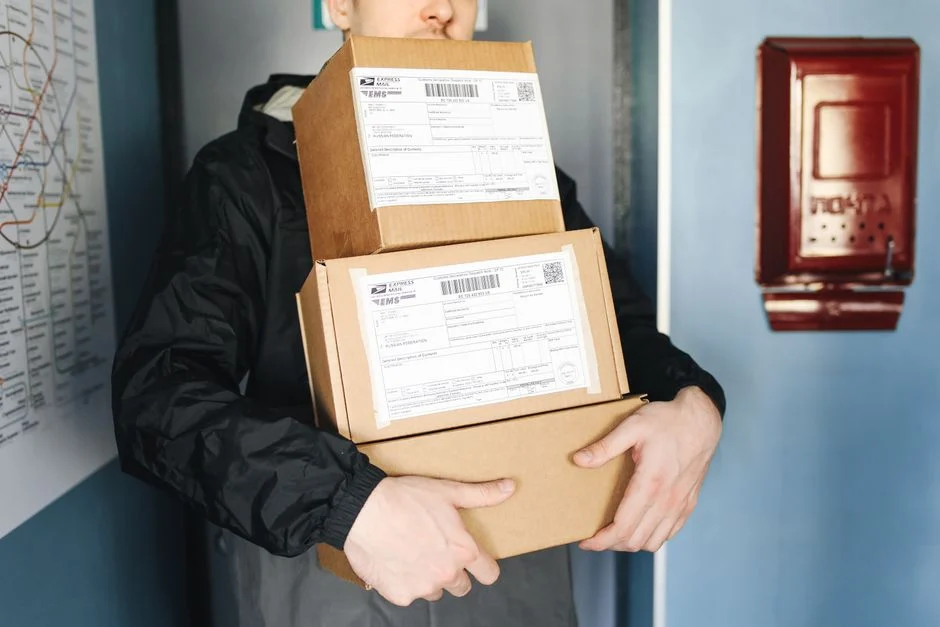
Setting Up Your US Postal Service Shipping Workflow
Before you print a single label, you need a clear handle on how international mail enters the American domestic network. Packages sent from the UK typically travel via Royal Mail or partner carriers before landing at an international service center in New York, Chicago, or Los Angeles. Once customs clears them, the US Postal Service takes over final delivery to the recipient’s doorstep.
Weight limits matter a lot here. Standard packets usually cap out at two kilograms for basic international airmail services. If you’re sending heavier items, you’ll want to look at commercial consolidation services that hand bulk shipments directly to domestic processing facilities. This skips individual postal queues and shaves days off transit times.
Don’t guess your postage costs. Use online shipping calculators to check exact rates based on dimensions and weight before promising flat-rate shipping to your customers.
Completing Customs Forms Accurately
American border authorities check incoming mail rigorously. A missing commodity code or a vague item description will cause delays that frustrate your buyers. Write out exact descriptions instead of generic words like “parts” or “gifts.” Use terms like “cotton t-shirt” or “stainless steel watch part.”
Include the correct Harmonised System code for every product you sell. These six-digit codes tell customs officers what tax rate applies. You can look these up easily on government trade portals before generating your dispatch documents.
Electronic advance data is now mandatory for all items entering the United States. Hand-written customs declarations will get rejected at the sorting office. Always use digital shipping platforms that transmit your parcel details ahead of time.
Managing Returns and Customer Expectations
International returns are messy. When a US customer wants to send something back, telling them to pay international postage kills your repeat business. Set up a local consolidation address stateside if your sales volume justifies the cost. Customers mail items to a domestic warehouse, and a partner bundles them into a single weekly return box back to the UK.
Be transparent about delivery timeframes on your storefront. Standard international post takes anywhere from six to fourteen business days. Never promise three-day delivery unless you’re paying for premium courier services instead of standard postal routes.
For more information, visit our website.
Learn more on Wikipedia: US Postal Service.
Related reading
Update: US Corporate Tax Rates: What British Owners Need to Know
Update: US LLC Setup for UK Founders