Morning breaks in London, and your phone lights up with a breaking alert from Washington. Sorting through the noise to find out what is actually happening in American politics and culture requires a deliberate strategy. If you want to follow US news today effectively, you face a clear choice between two very different delivery mechanisms. You can rely on traditional cable networks and legacy print institutions, or you can build a custom diet using digital-first aggregators and independent feeds. Both paths offer distinct advantages. Both carry heavy blind spots.
The Traditional Legacy Model
Legacy broadcasting remains the default option for millions of international viewers. Cable giants and legacy newspapers maintain massive budgets. They station reporters in every state capital. When a major bill stalls in Congress or a severe weather event hits the Gulf Coast, these organisations deploy crews immediately. You get polished production, institutional memory, and established editorial standards.
Editorial boards spend hours vetting stories before publication. Fact-checkers verify quotes. Editors rewrite copy to ensure it meets strict legal guidelines. This methodical pace prevents many basic errors from reaching the public.
Yet this approach has major drawbacks. Traditional networks rely heavily on advertising revenue and subscriber fees. That business model demands high engagement. Consequently, producers lean hard into partisan conflict and sensational debate. Panels shout over each other for twenty minutes straight. Nuance vanishes.
Viewers often absorb more heat than light. You watch a half-hour segment on a Supreme Court ruling and walk away knowing more about the pundits’ opinions than the actual legal text. The pacing is slow, too. Cable shows must repeat their core points every single hour to accommodate shifting audiences. If you want deep analysis right away, waiting for the evening broadcast feels frustrating.
The Digital Aggregator and Social Feed Route
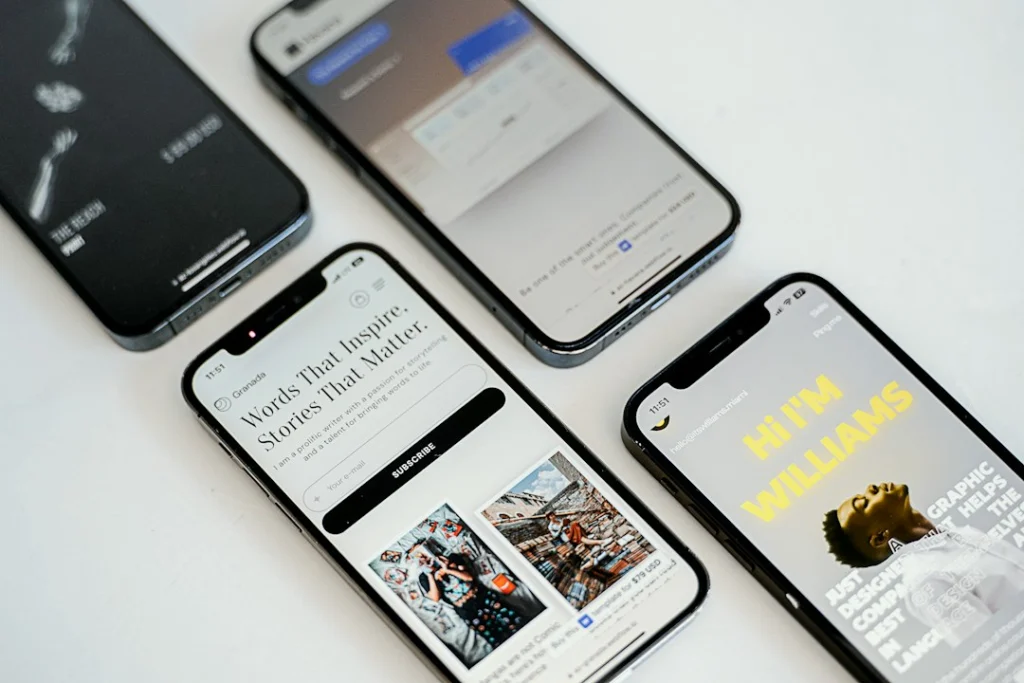
Digital platforms changed how people consume information from abroad. X, Substack newsletters, and niche websites deliver updates the second an event unfolds. Local reporters stream live from courthouse steps on their phones. Policy experts publish deep breakdowns within minutes of a new executive order dropping.
Speed is the primary selling point here. You bypass the middleman entirely. If a federal agency releases a massive economic report, you can read the raw data yourself via links shared by economists before any cable anchor has even skimmed the summary.
This decentralized method also exposes you to a wider variety of voices. You aren’t stuck listening to the same three pundits every night. You can follow regional journalists who understand local economic shifts better than any national correspondent based in Manhattan.
But the risks are severe. Verification often takes a backseat to urgency. Bad actors spread fabricated documents or misattributed video clips within minutes. Algorithms reward outrage and viral posturing. If you rely solely on social feeds to track US news today, you risk falling into hyper-specific echo chambers that distort reality.
Context disappears when everything is reduced to a two-minute clip or a short post. Complex trade policies or foreign aid packages require background knowledge that rarely fits into a viral thread. Sometimes, economic shifts ripple outward in ways that require deep context, much like what recent US tariff policy changes mean for global trade, which takes careful reading rather than a quick glance at a social media feed.
Comparing the Two Approaches
Weighing these options reveals a stark contrast. Legacy media offers reliability at the cost of speed and frequent partisan slant. Digital feeds offer unmatched speed and variety at the cost of reliability and endless noise.
Traditional outlets miss emerging stories because their approval chains move too slowly. They wait for official press releases or scheduled briefings. Digital users catch those same stories live, but they frequently misinterpret the legal or political significance because they lack professional editing oversight.
Financial costs differ sharply as well. Cable packages or digital subscriptions to major newspapers demand recurring monthly fees. Most social aggregators are free, though they charge a hidden price in personal data extraction and constant distraction.
Trust remains the core divider. You might disagree with a major newspaper’s editorial stance, but you generally know who to hold accountable when they get a fact wrong. Digital accounts often hide behind pseudonyms or corporate shells. Accountability evaporates.
Our Recommendation
Avoid picking just one extreme. Relying purely on cable TV leaves you behind the curve and trapped in a loop of outrage. Relying solely on social media exposes you to unchecked misinformation.
The smartest way to monitor US news today involves a hybrid diet. Use wire services and primary source documents as your bedrock. Check official feeds from government agencies and established newsrooms for verified facts. Supplement those sources with specialized newsletters written by domain experts who break down complex policy without the cable news shouting match.
Build a curated reading list. Skip the evening talk shows. Read the raw text of the legislation or the court opinion when a major ruling drops. You will save time, avoid the artificial panic pushed by ratings-driven producers, and actually understand what is happening across the Atlantic.
For more information, visit our website.
Related reading
- Strait of Hormuz Shipping Routes: How US Naval Presence Shapes Regional Security
- What Recent US Tariff Policy Changes Mean for Global Trade
Update: How to Verify Middle East Conflict News and Spot Disinformation Online
Update: How to Follow the Latest News in America: Wire Services vs. Social Media Feeds