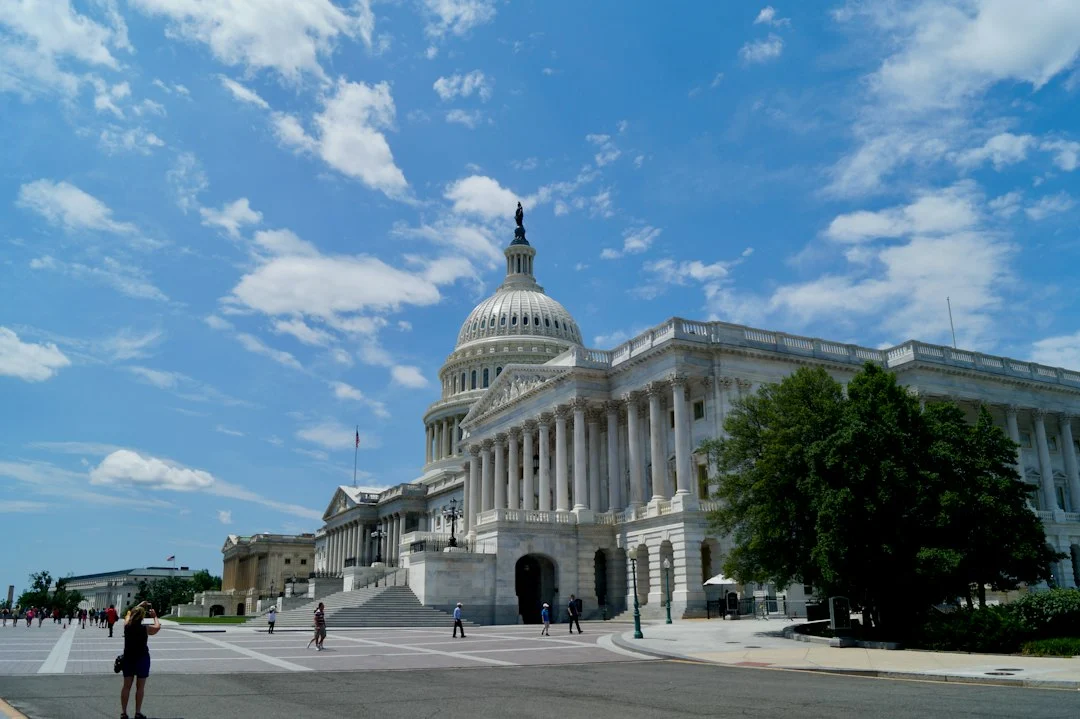
Voters across America will head to the polls on Tuesday, November 3, 2026, to decide control of Congress. Every single seat in the House of Representatives and roughly one-third of the Senate seats are up for grabs during the US Midterm Election 2026. Preparing for this cycle takes real work—it’s way more involved than just keeping cable news on in the background on election night. You need a systematic approach to follow campaign finance reports, primary schedules, and shifting legislative battles. Here is your step-by-step guide to tracking the political landscape effectively.
Step 1: Understand the Congressional Map and Timeline
Congress splits power between two chambers. The House features 435 voting districts, and each representative serves a brief two-year term. The Senate has 100 members. Senators serve staggered six-year terms, meaning thirty-three or thirty-four Senate seats face election in any given midterms, occasionally bumped up by special elections.
Control of both chambers hangs on razor-thin margins. A handful of swing districts usually decides the House majority, while Senate battles often narrow down to a half-dozen competitive states. State legislatures and independent commissions handle redistricting after every census, and those boundaries remain locked in place for this cycle. You can check your specific congressional district using state election board portals.
The timeline starts long before November. Filing deadlines for candidates hit in the spring of 2026, with primaries running from March through September depending on state laws. Knowing your state’s primary date helps you figure out which local races actually matter early on.
Step 2: Monitor Candidate Announcements and Primaries
Incumbents announce re-election bids or retirements months ahead of time, while challengers file official paperwork with the Federal Election Commission. These filings tell you who is actually running in your district. Don’t rely solely on flashy social media announcements; official FEC candidate lists provide the baseline truth.
Primary elections narrow the field within each political party. Closed primaries require registered party members to vote, whereas open primaries let any registered voter participate. Some states use a top-two primary system where the leading candidates advance to the general election regardless of party. Research your state rules to know your ballot options.
Candidate debates happen during the primary season. Local public television stations and nonpartisan civic groups host most of these forums, and watching unedited debates gives you a much clearer picture than filtered campaign ads. For broader coverage of ongoing Washington developments, check out US politics news today to see how daily events shape candidate platforms.
Step 3: Track Polling Data and Campaign Fundraising
Money fuels modern political campaigns. Federal law requires candidates and political action committees to report financial data regularly, and quarterly reports show cash on hand, total raised, and major spending categories. Super PACs inject massive outside spending into tight races. Tracking these financial flows reveals which candidates have serious institutional backing.
Public opinion polls measure voter sentiment as campaigns progress, but not all polls carry equal weight. Look for pollsters with transparent methodologies and neutral track records. Aggregator websites combine multiple polls to show trends rather than single data points, since any single poll can easily be an outlier. Pay attention to the polling average instead.
Voter enthusiasm shifts based on economic indicators and national events. Inflation rates, fuel prices, and job numbers influence how voters view the party in power. Incumbent administrations often face headwinds during midterms, and historical patterns show the president’s party frequently loses seats in Congress during these cycles. Still, local issues and candidate quality routinely override national trends.
Step 4: Follow Legislative Battles Ahead of the Vote
What lawmakers do in Washington directly impacts their electoral chances. Votes on federal spending, tax policy, and immigration shape the campaign narratives, and Congress must pass budget legislation or stopgap funding bills to keep federal agencies open. These fiscal fights often dominate the news cycle in the months leading up to November.
Legislative votes put lawmakers permanently on the record. Challengers use these voting records to attack incumbents, while incumbents defend their track records using constituent service projects and federal funding brought home to the district. You can review how your representative voted on specific bills by checking official congressional roll calls. If you want to dive deeper into legislative mechanics, learning how to track US congressional votes online will help you monitor amendments, committee hearings, and final tallies in real time.
Step 5: Access Official Election Night Results for the US Midterm Election 2026
As voting concludes on November 3, 2026, results roll in gradually. Time zones mean eastern polls close before western ones, and mail-in ballots plus provisional votes take extra time to count. Close races often remain uncalled for days or even weeks.
Rely on official state election websites for certified tallies. News networks project winners based on statistical models and early returns, but those projections are never final results. State election officials certify the vote counts weeks later. Keep an eye on recount thresholds in extremely tight contests to ensure you follow the US Midterm Election 2026 accurately from kickoff to final certification.
For more information, visit our website.
Learn more on Wikipedia: US midterm elections 2006.
Related reading
- US Iran War Risks: What British Travellers Need to Know Right Now
- US Tariff Policy: Comparing Universal Baselines and Targeted Duties
Update: US Immigration Policy Updates: What the Latest Executive Actions Mean
Update: US Federal Government Updates: Omnibus Bills Versus Single-Subject Legislation