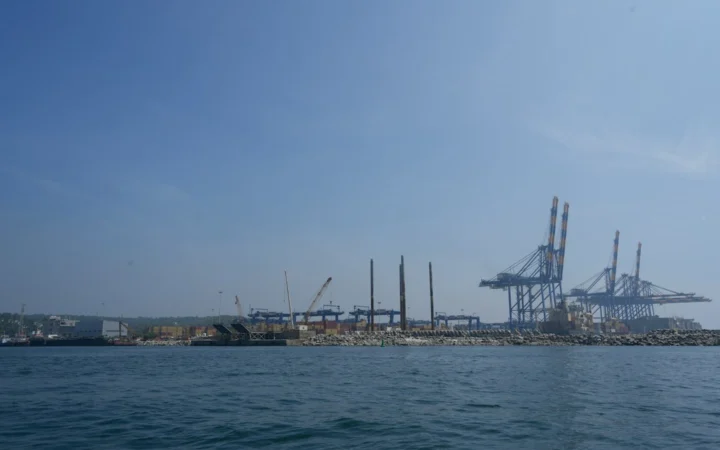
Strait of Hormuz tanker queues are growing longer every single day. If you run a British export business sending manufactured goods or industrial equipment through the Middle East, your freight forwarding costs just jumped. Shippers are ditching standard maritime routes. They are looking at severe delays. You need a practical playbook right now to keep your goods moving without burning your profit margins.
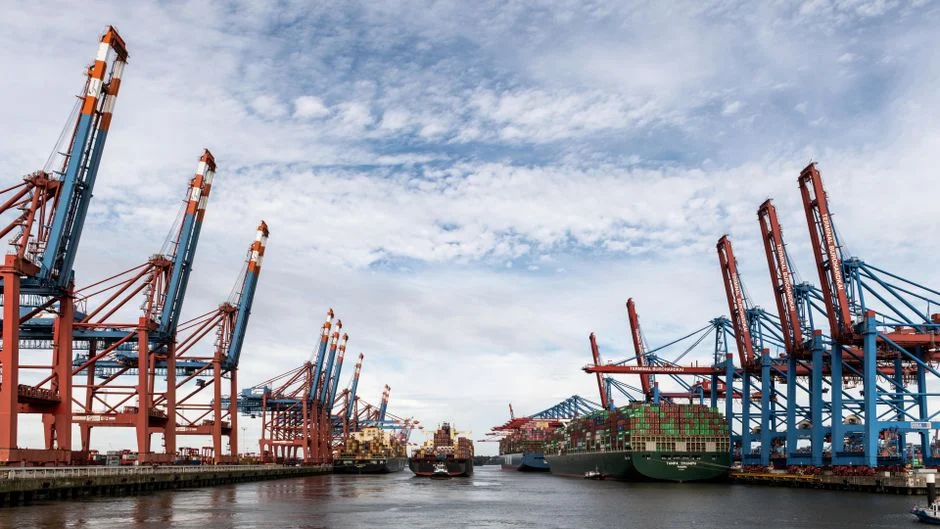
Risk management starts with mapping every single node of your supply chain. Most founders don’t realise how many components pass through regional hubs like Dubai or Salalah. Grab your current shipping manifests today. Highlight any cargo touching the Persian Gulf. You cannot protect what you cannot see.
Assessing US Iran War Logistics Risks for British Exporters
Insurance premiums for hull war risk coverage spiked drastically following recent escalations. Lloyd’s of London underwriters are tightening restrictions across Middle Eastern waters. Underwriters now demand daily tracking updates. Some carriers refuse bookings altogether for Gulf ports. Contact your freight forwarder immediately. Ask for a written breakdown of your current exposure. Do not rely on verbal assurances.
Military tensions dictate commercial reality. When naval forces alter patrol zones, civilian shipping lanes shift overnight. Check official advisories from the UK Department for Transport regularly. They publish critical updates for merchant shipping operating in high-risk areas. If your carrier tries to force a high-risk transit, push back. Demand a safer alternative route.
Rerouting Cargo Through Overland and Air Corridors
Maritime isn’t your only option when sea lanes face active threats. Air freight capacity from Heathrow to regional airports like Riyadh or Amman remains relatively stable. Yes, air cargo costs substantially more per kilogram. It makes sense for high-value tech components or urgent manufacturing parts. Balance the expense of expedited air freight against the crushing cost of a factory shutdown back home.
Overland trucking corridors across the Arabian Peninsula offer another viable pivot. Operators are moving containers from Red Sea ports like Jeddah straight into the Gulf Cooperation Council interior. Road transport avoids the choke points entirely. Border customs delays can happen. Still, trucks keep moving when container ships sit idle offshore. Build an extra week into your delivery estimates for overland legs.
Contractual Protection and Force Majeure Clauses
Supply chain chaos tests every business agreement you signed this year. Pull out your customer contracts and check the force majeure clauses. Vague wording leaves you exposed to massive financial penalties for late deliveries. Work with a commercial lawyer to draft protective addendums. Shift the burden of rising insurance surcharges onto the end buyer where possible. Transparency prevents broken partnerships later.
Cash flow suffers when cargo sits stranded in a foreign port for weeks. Talk to your trade finance lender about extending payment terms. Many banks offer temporary relief when geopolitical shocks disrupt trade lanes. Protect your working capital fiercely. Do not let delayed shipments freeze your operational cash reserves.
For more information, visit our website.
Related reading
Update: US Mail vs Private Couriers: Choosing the Best Option for Shipping From the UK