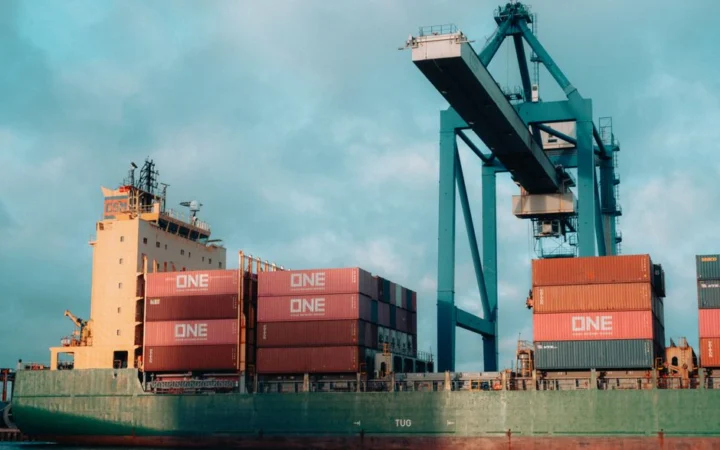
When tensions spike between Washington and Tehran, cargo ships don’t just sail a little slower. They reroute entirely. For anyone tracking the US Iran war logistics picture from the UK, the real story isn’t just about naval destroyers or diplomatic cables. It’s about container ships burning extra bunker fuel to bypass choke points, and procurement managers in Birmingham scrambling for alternative suppliers. You’ll rarely see the gritty details of freight forwarding on the evening news, yet every single container delayed in the Persian Gulf adds friction to our own supply chains.
The Choke Points Driving US Iran War Logistics Pressures
Geography dictates everything in military logistics. The Strait of Hormuz remains the primary pressure point. Roughly a fifth of the world’s petroleum passes through that narrow channel. When security risks force commercial tankers to turn back or seek armed escorts, insurance rates skyrocket overnight. Lloyd’s of London underwriters don’t hand out discounts during active flare-ups.
British businesses relying on components sourced from Asian manufacturing hubs feel this pinch directly. Ships taking the longer route around the Cape of Good Hope add weeks to transit times. That means tied-up capital and delayed inventory arrivals at Felixstowe or Southampton. It’s a logistical headache that stretches far beyond the immediate combat zone.
How Energy Costs Disrupt UK Transport and Manufacturing
Fuel dictates freight costs. When regional conflicts threaten crude supplies, Brent crude futures climb. That surge hits UK haulage companies and distribution networks almost immediately. Diesel prices at British pump stations tick upward, squeezing transport margins.
If you run a logistics operation in Yorkshire, you’re absorbing those higher fuel expenses without any guarantee you can pass them entirely to your clients. Energy price spikes cascade through every tier of warehousing and distribution. Manufacturing plants face higher utility bills just to keep assembly lines running.
Monitoring Supply Chain Shifts From Across the Atlantic
Keeping tabs on these developments requires looking past general headlines. You have to watch maritime tracking data and industry bulletins. Monitoring how shipping liners adjust their schedules gives a clearer picture of real-world impact than political speeches ever will.
For a broader look at how regional flashpoints shape these pressures, check out our guide on US Iran war risks and flashpoints. Understanding where the friction points lie helps businesses anticipate delays before they hit inventory sheets.
Practical Steps for British Supply Chain Managers
Hope isn’t a strategy when maritime routes face active disruption. Procurement teams need buffers. Stockpiling critical raw materials makes financial sense when lead times double unexpectedly. Diversifying supplier bases away from single-route dependencies is another practical step.
Keep a close eye on freight forwarder advisories. They tend to spot operational bottlenecks weeks before the mainstream press picks up the story. Staying nimble is your best defense against global logistical shocks.
For more information, visit our website.
Related reading
- US LLC Formation for UK Founders: Choosing a State and Setting Up Remotely
- US Sales Tax for UK E-commerce Sellers: Step-by-Step Compliance Guide
Update: Stripe vs PayPal for British Exporters Selling to the US