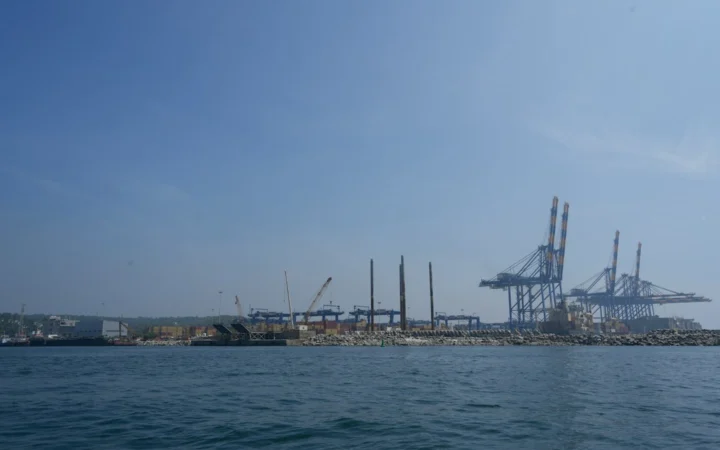
Tension in the Middle East sends shockwaves through global supply chains almost overnight. If you move goods internationally, you’ve likely noticed sudden spikes in freight rates and unexpected line items on your carrier invoices. Carriers add emergency surcharges when maritime routes face disruption. Unfortunately, not all extra charges are legitimate. Shipping managers must review every invoice line by line to catch mistakes and unauthorized markups.
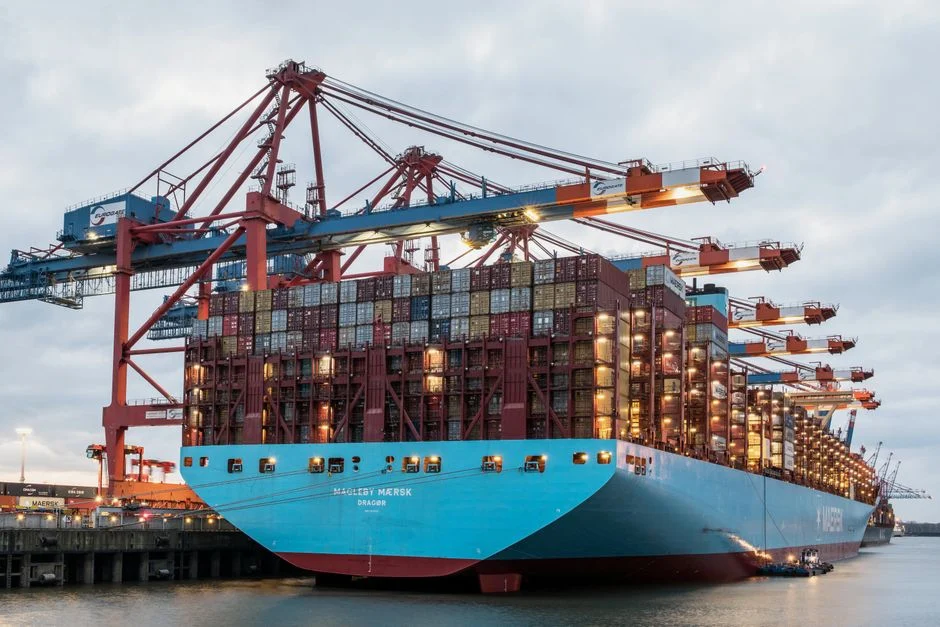
Independent forwarders often pass along carrier fees without clear documentation. When routes shift away from high-risk zones, transit times stretch out, and operational costs climb. Auditing these charges protects your profit margins from chaotic market conditions.
Gathering Your Shipping Data
Start your audit by pulling every document related to a specific shipment. You need the original booking confirmation, the commercial invoice, the bill of lading, and the final carrier settlement. Compare the quoted rate directly against the final bill. Discrepancies often pop up between the initial estimate and the settled amount.
Create a centralized spreadsheet for all active shipments. Track container numbers, origin ports, destination hubs, and agreed-upon baseline costs. Having this data in one place makes spotting anomalies much faster. Don’t skip small shipments either. Air cargo and LCL consolidations accumulate hidden administrative fees just as quickly as full container loads.
Identifying Emergency Surcharges in Freight Rates
Carriers frequently introduce new fee categories during geopolitical crises. You will see terms like Risk Surcharges, Emergency Operation Fees, or Deviation Adjustments. Check whether these add-ons match the official advisory notices published by your carrier.
Some providers apply blanket rate increases across all active lanes, even those completely untouched by Middle Eastern shipping disruptions. Push back on any surcharge that lacks a clear operational justification. Ask your provider for written proof of why a specific route incurred extra risk fees. Legitimate carriers will supply documentation without hesitation.
Reconciling Fuel Adjustments and Bunker Fees
Fuel costs fluctuate wildly when vessels take longer alternate paths around regional conflict zones. Bunker adjustment factors should follow a predictable formula tied to global oil price indexes. Calculate whether the fuel surcharge on your bill aligns with the agreed contractual percentage.
Carriers sometimes lock in peak fuel rates long after market prices drop. Challenge these calculations if your contract specifies a monthly review mechanism. Keeping a close eye on these variables keeps your overall logistics spend under control.
Disputing Incorrect Charges With Carriers
Found an error? Act quickly. Most logistics contracts have strict windows for raising billing disputes, often limiting you to thirty days from the invoice date. Send a formal email to your account manager with the exact invoice number and supporting documentation attached.
Keep your communication direct and factual. Highlight the exact discrepancy between the quoted freight rates and the billed amount. Avoid emotional language, and stick to the numbers. Most reputable forwarders will issue a credit note or adjust the pending statement once you present clear evidence of an overcharge.
For more information, visit our website.
Learn more on Wikipedia: Freight rate.
Related reading
- US Tariff Policy Under the White House: What British Exporters Need to Know Right Now
- US Postal Service Shipping Rates
Update: US LLC vs Corporation for UK Founders
Update: US Iran War Logistics Planning