Liquefied natural gas tankers cross the Atlantic daily, hauling American fuel straight to European terminals. For British buyers, US energy exports changed how winter heating and industrial power get priced. You aren’t just dealing with North Sea fields anymore. You’re competing in a global LNG market where American supply dictates the baseline.
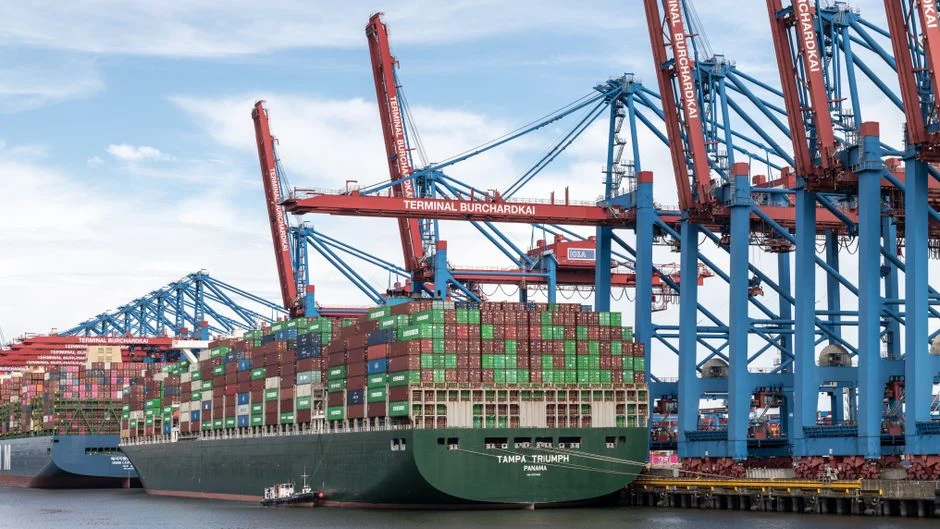
Prices swing wildly based on weather patterns in Texas and pipeline capacity in Louisiana. Understanding these transatlantic dynamics keeps your operating costs from biting hard when winter demand spikes.
How US Energy Exports Shape British Markets
American production surged over the past decade. Shale gas unlocked massive reserves across the Permian Basin and Appalachia. Companies built multi-billion-dollar liquefaction plants along the Gulf Coast to cool that gas into liquid form.
That liquid fuel boards giant carriers bound for terminals in South Wales and the Isle of Grain. It enters the National Grid pipeline network within days. When domestic production dips, British energy suppliers rely heavily on these cargoes to keep homes warm.
Key Factors Driving Transatlantic Fuel Flows
Several moving parts determine whether American tankers dock at UK ports or head toward Rotterdam instead. Margins are razor-thin, and traders move fast.
- Weather volatility: Cold snaps in North America trap gas locally to heat homes, cutting down export volumes instantly.
- Shipping bottlenecks: Panama Canal transit rules and North Atlantic storms add days to delivery times.
- Terminal capacity: UK import facilities face intense competition from continental buyers willing to pay top dollar.
- Regulatory shifts: Permitting changes by federal agencies in Washington alter long-term supply contracts.
You can track these broader trade dynamics alongside shifts in US tariff policy, which often influence raw material costs for industrial importers.
What UK Importers Should Do Next
Stop treating American fuel as a backup plan. Lock in fixed-price contracts early if your manufacturing plant relies heavily on gas-fired power. Watch the Henry Hub spot price daily because it acts as the primary heartbeat for global gas values.
Diversify your suppliers where possible. Relying solely on spot-market LNG cargoes leaves your cash flow vulnerable to sudden geopolitical shocks. Keep a close eye on export terminal maintenance schedules published by operators across the Gulf Coast.
For more information, visit our website.
Related reading
- US Inflation Data: How American Price Trends Hit British Importers
- Red Sea vs Cape of Good Hope: Choosing the Best Cargo Route During US-Iran Tensions
Update: US Small Business Loans for British Expats: How to Qualify and Apply
Update: US Export Licenses for UK Tech Firms: Navigating EAR Rules