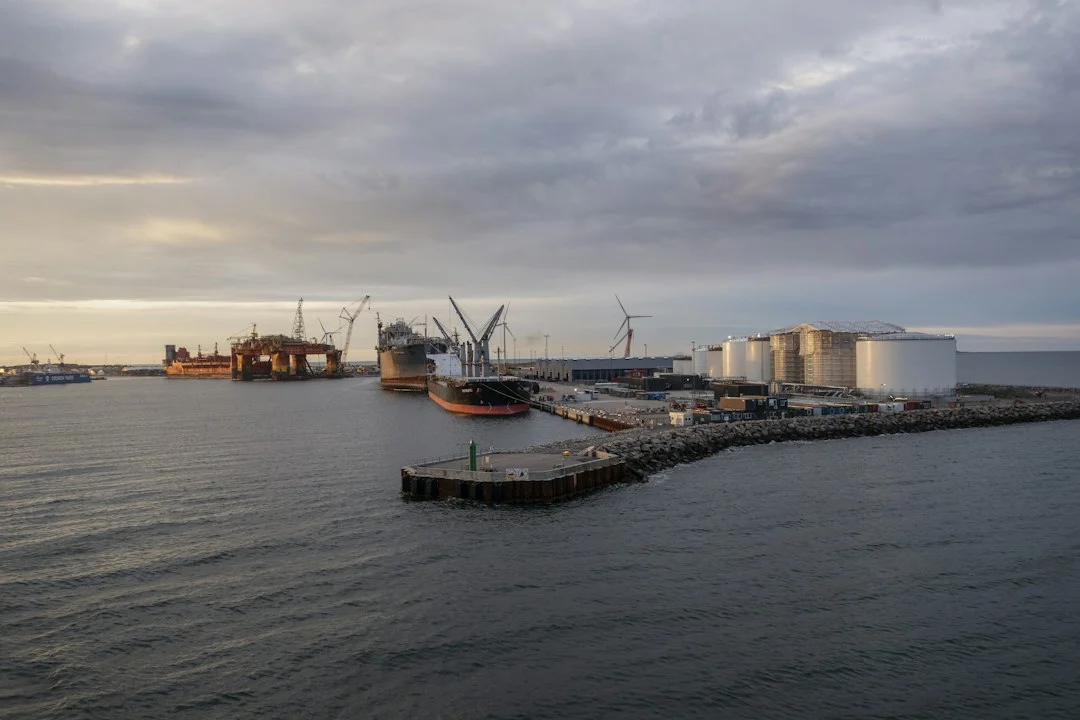
British power stations burned record amounts of imported gas last winter. A massive share of that fuel came across the Atlantic in massive steel tankers. US energy exports have completely transformed how the UK keeps the lights on.
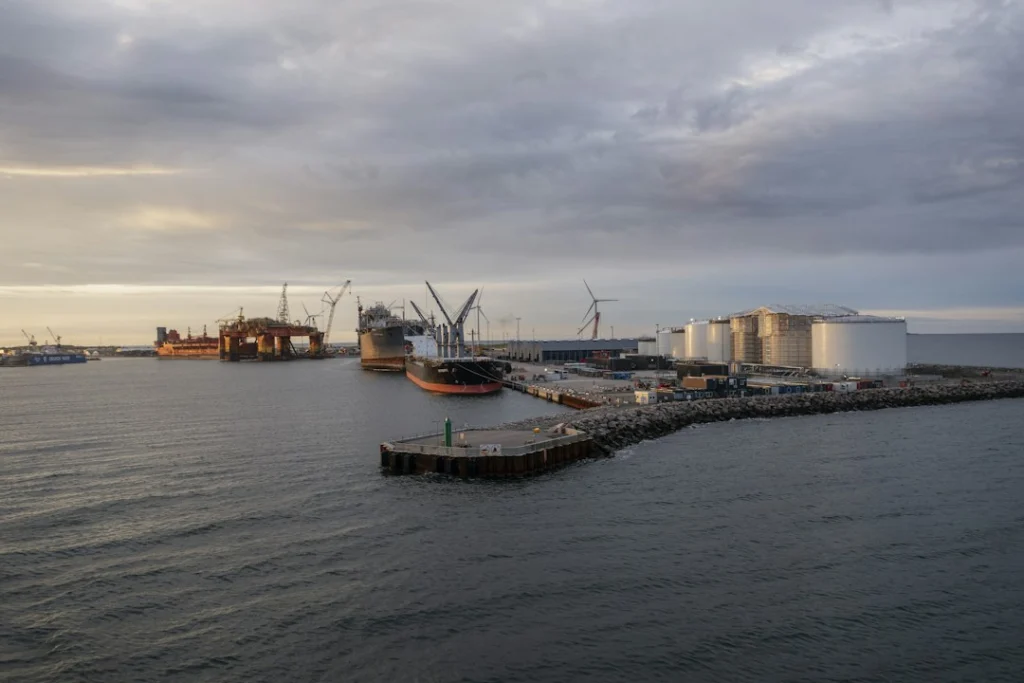
Ten years ago, buying American gas was a pipe dream. The US kept strict bans on crude and gas sales abroad. Shale drilling changed everything. American drillers unlocked massive reserves in Texas and Pennsylvania. Suddenly, the country had way more gas than it could burn at home. Washington lifted the export ban, and a fleet of giant tankers set sail for Europe.
Why US Energy Exports Matter to British Consumers
You might wonder why American gas matters when you’re paying your monthly utility bill in Manchester or London. The UK Continental Shelf is declining fast. North Sea production keeps dropping year after year. Britain needs to import gas from somewhere to heat homes and run power plants.
Pipeline gas from Norway helps fill the gap. Qatar sends massive shipments of liquefied natural gas through the Suez Canal. But American carriers offer crucial flexibility. Cargoes can change course mid-ocean. If spot prices spike in Europe, tankers turn toward British and continental terminals instead of Asia.
That spot-market responsiveness kept the UK grid stable during recent supply crunches. Energy firms redirect tankers quickly when British demand jumps during cold snaps.
The Logistics Behind Liquefied Natural Gas
Turning gas into a liquid requires extreme cold. Facilities cool natural gas down to minus 162 degrees Celsius. This shrinks the volume by six hundred times. Workers pump the freezing liquid into specialized vessels with double-hulled insulated tanks.
These vessels cross the Atlantic in about ten to fourteen days. They pull into major UK import terminals like Grain in Kent or Milford Haven in Wales. Workers pump the freezing cargo into massive onshore storage tanks. Then they warm it back into gas and pipe it straight into the National Grid.
It’s a high-stakes supply chain that runs twenty-four hours a day. Millions of pounds worth of fuel move silently across the ocean on every single voyage.
Price Volatility and Global Markets
Global markets dictate what British households pay. US producers sell to the highest bidder. When Asian buyers outbid Europeans, British suppliers have to match those prices. That links domestic heating bills directly to Texan extraction costs and global shipping rates.
Some critics argue this ties British energy security too closely to foreign markets. They want faster transitions to wind and solar power. Others point out that flexible American supplies prevented rolling blackouts when pipeline politics disrupted European markets.
Price swings are simply part of the modern commodity trade. Traders watch weather forecasts in Chicago and London simultaneously.
The Future of Transatlantic Energy Trade
More export terminals are currently under construction along the Gulf Coast. Energy firms are signing long-term supply contracts stretching into the 2040s. British utilities want guaranteed volumes to keep industrial hubs running smoothly.
Environmental groups raise valid questions about emissions. Fracking uses massive amounts of water. Transporting liquefied gas across oceans burns heavy marine fuel. These factors add to the total carbon footprint of every British radiator running on imported fuel.
The trade relationship shows no signs of slowing down despite those concerns. Ships will keep crossing the Atlantic. Your kettle will keep boiling thanks to gas pumped from deep beneath American soil.
For more information, visit our website.
Related reading
- US Immigration Policy Updates: What the Latest Executive Orders Mean for Non-Resident Founders
- How British Founders Can Set Up a US LLC from the UK
Update: US State-Level Minimum Wage Changes: What UK Franchise Owners Need to Know
Update: US Small Business Taxes: A UK Founder's Guide to Filing Form 1120