Navigating US Corporate Tax Deadlines While Living in the UK
Running a Delaware C-corp or an LLC from London brings a mountain of paperwork. You have to juggle Companies House alongside the Internal Revenue Service. Missing a filing date triggers painful financial penalties. US corporate tax deadlines catch many British founders off guard because their fiscal calendar looks completely different from the UK setup.
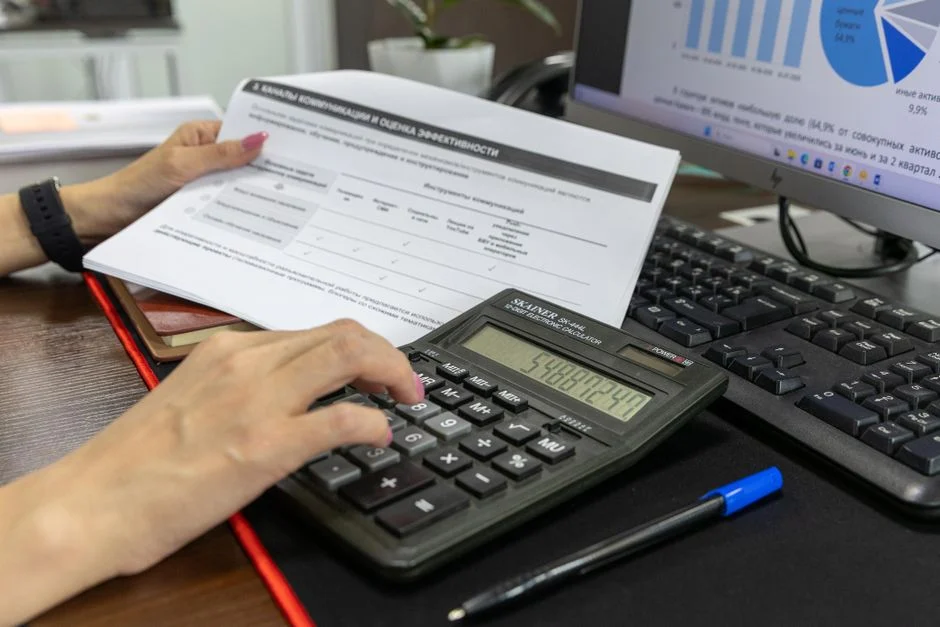
Most American companies operate on a calendar year. That means your corporate tax return is typically due on the 15th day of the fourth month following the close of your tax year. For standard calendar-year businesses, circle April 15 on your calendar. Fiscal-year corporations face different cutoff points. Your return is due by the 15th day of the fourth month after your fiscal year ends. If your business runs from July to June, your deadline lands in October.
How Automatic Extensions Actually Work
Panic sets in when April approaches and your bookkeeping is a mess. Breathe. The IRS grants automatic extensions if you apply before the original due date. Form 7004 buys your corporation an extra six months. That shifts your April deadline out to October 15 for calendar-year filers.
Extensions only apply to the paperwork, not the money you owe. Estimate your liability and pay the tax bill by April. Otherwise, interest and late-payment penalties start piling up immediately. Working across two time zones adds extra friction to wire transfers. Give yourself a few days buffer before the clock runs out.
State-Level Filing Requirements
Federal rules are only half the battle. If your enterprise is registered in Wyoming, Delaware, or Florida, state tax agencies want their cut too. State due dates frequently mirror federal schedules. Some states require filings even if the company generated zero revenue.
Annual franchise taxes demand close attention. Delaware requires corporations to file an annual report and pay franchise tax by March 1. That date arrives weeks before your federal return. Forgetting this detail leads to bad standing status quickly.
Information Returns for Foreign-Owned US Entities
Form 5472 creates massive headaches for UK founders. If a foreign person owns 25 percent or more of a US disregarded entity or corporation, this form is mandatory. The penalties for late filing or incomplete information start at a steep $25,000. These returns ride along with your Form 1120 income tax return. Never skip them, even if the business made zero profit all year.
Gather your bank statements, contractor invoices, and payment processor logs early. Transacting across pounds and dollars requires clean currency conversion records. Keep your accounting software updated monthly so you aren’t scrambling when these critical dates arrive.
For more information, visit our website.
Related reading
Update: US Business Tax Extensions
Update: US Iran War Oil Prices