Empty office towers cast long shadows across downtown Manhattan and downtown San Francisco. Landlords face staggering debt walls as remote work solidifies its grip on corporate America. If you are looking at US commercial real estate right now, the power dynamic has completely flipped. Tenants hold the cards. Property owners scramble for occupants. Concessions that seemed impossible five years ago now appear standard in lease agreements.
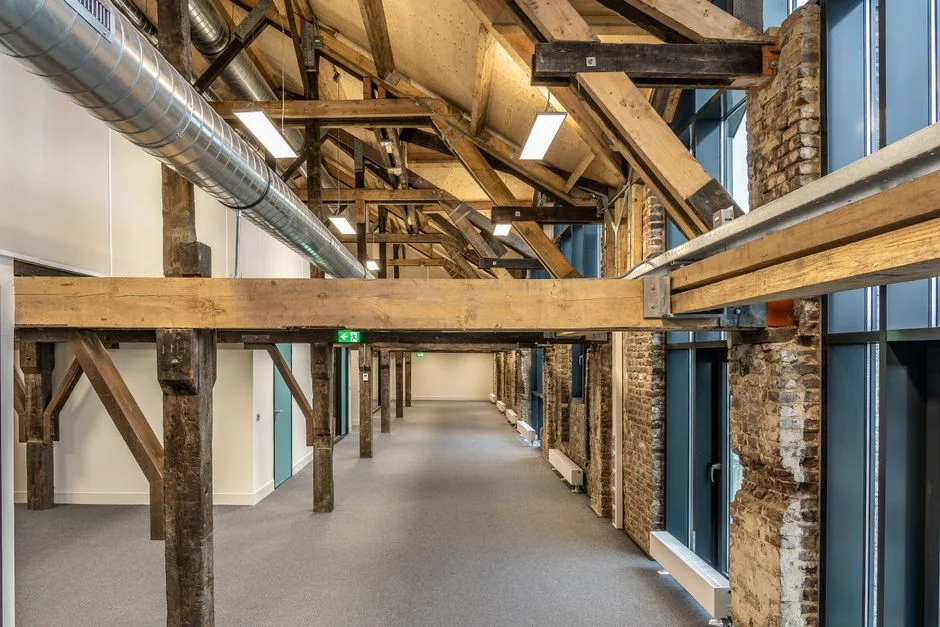
The Shifting Reality of US Commercial Real Estate
Office occupancy rates across major American metropolitan areas hover stubbornly below pre-pandemic norms. Companies downsized their physical footprints. Hybrid work models replaced five-day office mandates, hitting landlords hard. Millions of square feet sit empty. Debt payments loom over property portfolios while banks tighten lending standards for commercial developers. This squeeze changes how commercial leases work from top to bottom.
You cannot look at the market as a monolith. Sunbelt cities like Austin and Miami experience different pressures than legacy hubs like Chicago and New York. Tech sectors shed space quickly, whereas law firms and financial institutions snap up premium towers demanding modern amenities, energy-efficient HVAC systems, and flexible layouts. Older Class B and Class C buildings suffer the most. Owners struggle to fund essential upgrades, and some properties face foreclosure or deep valuation write-downs.
Why Office Vacancies Keep Climbing in Major Cities
Lease renewals tell the real story. Corporations downsize by thirty to fifty percent when their current contracts expire, trading cavernous multi-floor headquarters for sleek boutique spaces. Employees want collaborative hubs, not rows of identical cubicles. Landlords built glass monoliths for a workforce that no longer exists in that volume. Converting these towers into residential apartments sounds simple on paper, but zoning laws and plumbing hurdles make it astronomically expensive in practice.
Interest rates amplify the pain. Many building owners face refinancing cliffs as loans taken out during low-rate eras mature. Refinancing requires higher debt service costs against lower property valuations, pushing default rates up across regional banking portfolios. Distressed assets enter the market regularly. Private equity firms swoop in to buy properties at cents on the dollar, injecting capital to modernize spaces and attract reluctant tenants back to physical offices.
Negotiating Lease Terms in a Tenant-Favored Market
Landlords offer unprecedented financial incentives to fill vacant floors. Free rent periods stretch past twelve months for long-term commitments, while tenant improvement allowances cover millions in interior buildout costs. Landlords finance custom architectural designs, specialized lighting, and high-end breakout kitchens because they want tenants locked in for ten years and will absorb massive upfront expenses to secure steady cash flow.
Flexibility forms another crucial bargaining chip. Smart companies refuse traditional ten-year lock-ins without escape hatches, negotiating contraction options so you can return half your space after three or five years without severe financial penalties. Subleasing clauses require fewer restrictions now. If your headcount shrinks, you rent out unused desks to offset overhead costs. Landlords push back less often on these terms today.
Operating expense caps protect tenants from runaway inflation and utility spikes. Property taxes and maintenance bills surge in many urban cores, making hard caps on controllable expenses non-negotiable for savvy negotiators. Landlords cover the overages when building maintenance costs spiral out of control. Review every line item in the triple net lease before signing anything. Hidden fees drain your cash reserves faster than base rent.
Legal Entities and Liability for Foreign Founders
Setting up a physical footprint requires careful corporate structuring. Foreign founders often establish a formal business entity before signing a commercial agreement to protect personal assets from long-term lease liabilities. Many business owners weigh their options carefully, as detailed in our guide on US LLC vs C Corp business structures. Landlords demand personal guarantees from foreign directors if the local subsidiary lacks sufficient operating history or credit ratings.
Brokers play an indispensable role in navigating local market nuances. Do not rely on your landlord’s representative for objective advice. Hire a tenant-representation broker who only looks out for your interests. They track local comps, vacancy rates, and landlord debt situations, knowing precisely which property owners face severe distress. That knowledge translates directly into lower rent figures per square foot.
Legal counsel fluent in American property law remains non-negotiable. US lease agreements run eighty pages long and favor the landlord by default. Every clause about indemnification, default triggers, and restoration obligations requires intense scrutiny. Landlords often demand that tenants return the space to its original shell condition upon lease expiration, running demolition costs into hundreds of thousands of dollars. Negotiate caps on restoration liabilities before signing the dotted line.
What to Expect Next Year
The distress in US commercial real estate will take years to clear. Regional banks continue absorbing loan losses, more properties will change hands through distress sales, and construction cranes sit idle on fewer new office starts. Supply shrinks while demand stabilizes around a permanent hybrid model. Rents for top-tier trophy buildings might hold steady, but secondary and tertiary spaces will continue dropping prices until supply matches realistic demand.
If you plan to lease office space in the United States, use the current market turmoil to your advantage. Patience pays off. Do not rush into a multi-year commitment without exploring multiple properties. Tour different buildings, pit landlords against each other for your tenancy, and demand concessions that match the realities of a shifting economic landscape. The advantage belongs to the tenant right now. Take it.
For more information, visit our website.
Learn more on Wikipedia: US Commercial Real Estate Index.
Related reading
- US Iran Tensions and British Trade: Hedging vs. Halting Operations
- US Tariffs and Transatlantic Trade: What British Businesses Need to Know
Update: US Corporate Bankruptcy Filings: How UK Suppliers Can Protect Their Money
Update: US Small Business Administration Loans: Standard 7(a) vs. Microloans