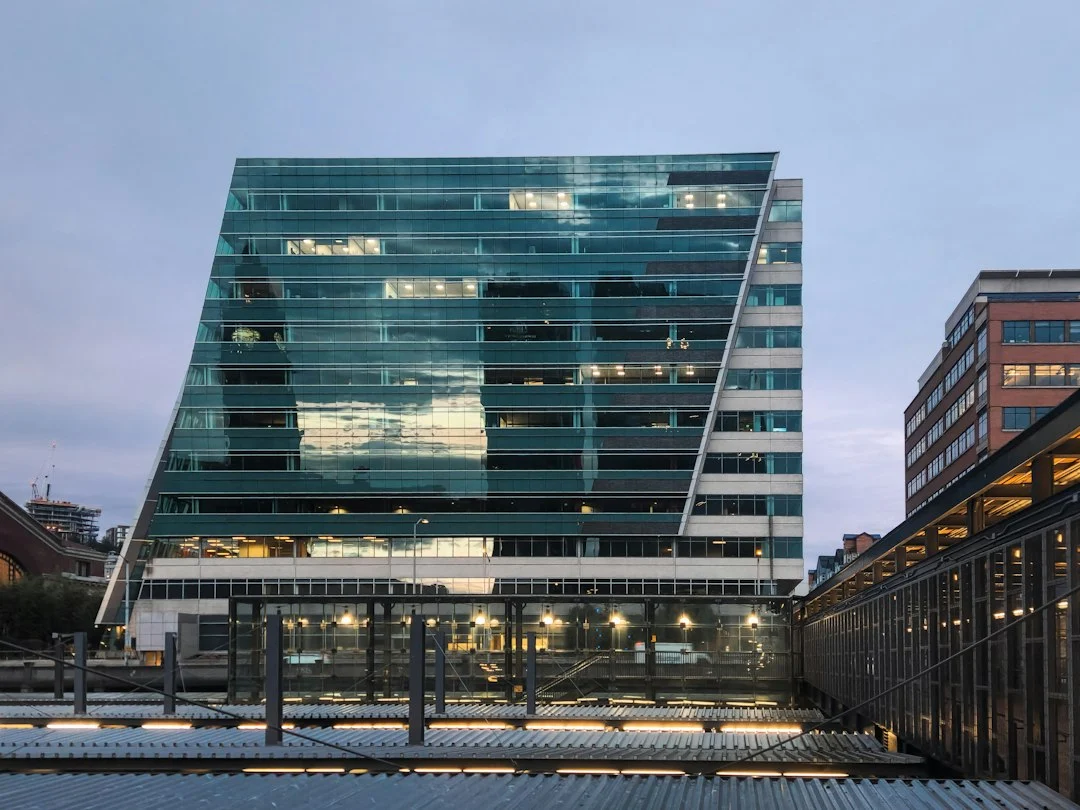
British capital has always flowed freely across the Atlantic. Property buyers in London often look to American markets for higher yields and portfolio diversification. Right now, the landscape of US commercial real estate looks vastly different than it did five years ago. High borrowing costs and remote work habits changed everything. You can’t just buy a downtown tower and expect steady returns anymore. Instead, you need to understand which sectors still make financial sense.
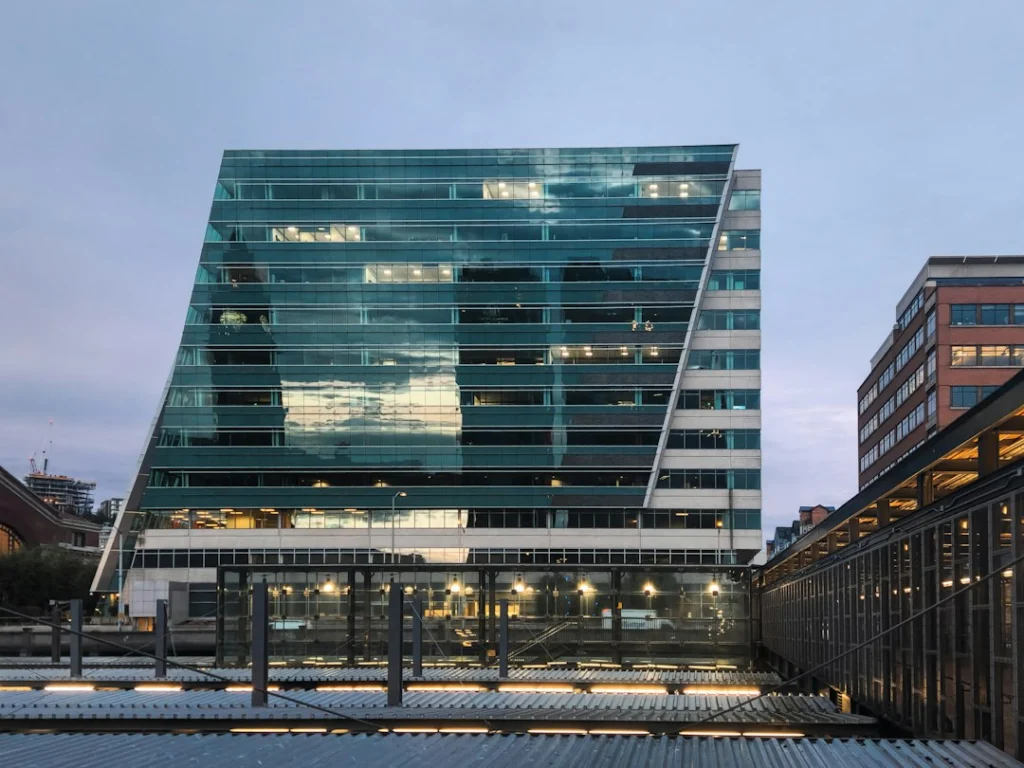
Navigating US commercial real estate shifts from London
Office buildings in major American cities face historic challenges. Hybrid work models reduced physical desk counts permanently. San Francisco and New York deal with empty floors and falling asset values. Lenders pull back from traditional office financing. Property owners face tough choices. Some hand keys back to banks. Others convert old offices into residential apartments. But conversions cost millions and take years. British funds holding heavy office exposure take significant write-downs.
Yet, distress creates opportunity. Sellers unload assets at steep discounts. Savvy investors step in with cash offers. They bypass traditional bank loans entirely. If you have deep pockets, you can snap up prime assets for a fraction of replacement cost. But you must verify tenant lease lengths carefully. A building with near-term lease expirations carries massive risk right now.
Industrial and logistics demand
Warehouses tell a completely different story. Consumer spending habits fuel continuous demand for modern distribution hubs. Online retail giants and third-party logistics firms snap up space near major transport corridors. Rents for modern logistics facilities stabilized after rapid pandemic-era growth. Supply chains adapted, but efficient transport networks remain vital. Investors focusing on industrial sheds see steady cash flow. Location matters more than ever. Properties near major ports or population centres command top dollar.
Financing industrial assets proves easier than office space. Regional banks and private debt funds view logistics favorably. Cap rates shifted upward alongside broader economic adjustments. That means higher yields for new buyers. When looking at US consumer spending trends, retail logistics remains a bright spot for foreign capital.
Where US commercial real estate opportunities still exist
Sun Belt cities attract most of the population growth. Texas, Florida, and Georgia see consistent corporate relocations. Businesses flee high taxes and strict regulations in northern states. Workers follow those jobs. Housing and retail spaces near these growing employment hubs perform well. Multifamily housing remains a staple for many institutional portfolios. Rental demand stays strong because high mortgage rates keep many young families out of single-family homes.
Retail also surprises skeptics. Grocery-anchored strip centres maintain low vacancy rates. Neighborhood shops provide essential services people can’t get online. Gyms, medical offices, and restaurants drive foot traffic. These neighborhood hubs offer reliable income streams. They lack the glamour of skyscrapers, but they generate stable returns.
Interest rates and cap rates
Federal Reserve policy dictates asset pricing. Higher interest rates push capitalization rates up. Property values adjusted downward as a result. Sellers adjust expectations slowly. Many hold out for prices from previous years. Deals take longer to close because buyers demand higher returns to offset expensive debt. Cash buyers hold immense leverage in this environment.
Debt markets changed completely. Traditional commercial mortgage-backed securities face stricter underwriting standards. Insurance companies and private credit step in to fill the gap. Expect higher equity requirements for any leveraged purchase. Leverage no longer boosts returns the way it used to.
Due diligence for British buyers
Cross-border transactions require local expertise. Tax structures differ vastly between federal, state, and municipal levels. Foreign investment in US property brings unique reporting rules under FIRPTA. You need local legal counsel immediately. Never rely on remote assessments alone. Walk the properties. Inspect the physical condition. Verify zoning laws and environmental clearances personally or through trusted local partners.
Currency fluctuations add another layer of risk. The exchange rate between the pound and the dollar impacts your returns directly. Hedging strategies protect your initial capital outlay. Plan your exit strategy before you wire any funds. American markets move fast, but liquidity can dry up quickly during downturns.
For more information, visit our website.
Learn more on Wikipedia: US Commercial Real Estate Index.
Related reading
- US Corporate Bankruptcy Filings: What British Investors Need to Know
- US Small Business Administration Loans: What UK Founders Need to Know
Update: US Postal Service Shipping Rates
Update: US Business Checking Accounts for UK Founders: Mercury vs. Relay Financial