Choosing the Right Bank Account for Your American Venture
Setting up a company across the Atlantic brings a pile of paperwork. One early decision you’ll face is how to handle your money. Many founders wonder if they can just use personal bank accounts instead of setting up US business checking accounts.
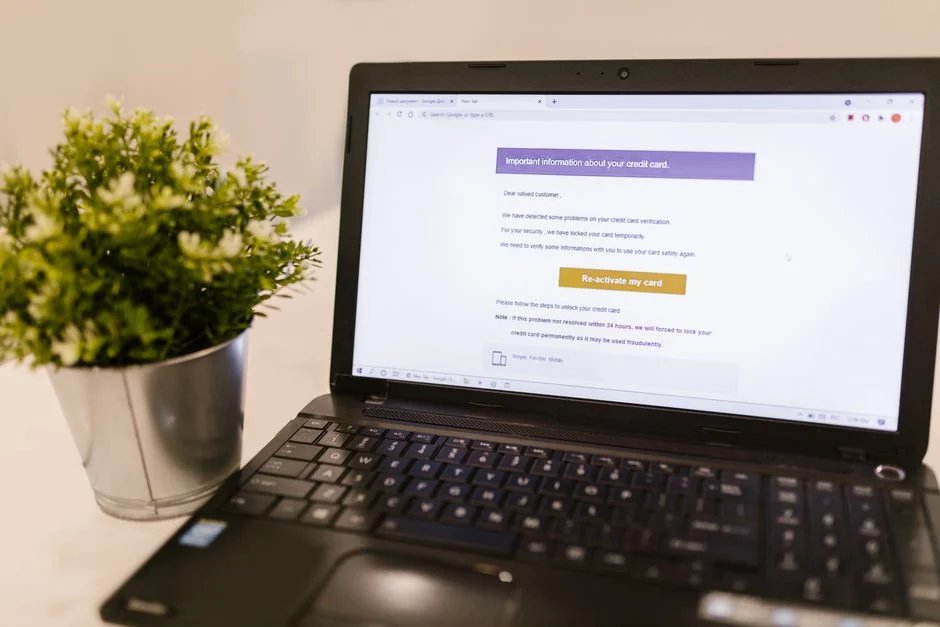
It sounds tempting. Personal applications usually take less time and skip some corporate red tape. But using a personal account for business funds creates massive headaches later. Tax season turns into a nightmare. Banks also freeze accounts fast if they spot commercial deposits flowing into a personal routing number.
You need a proper setup from day one. Let’s look at how these two options actually compare for UK entrepreneurs running US entities.
Personal Bank Accounts: The Quick Fix That Backfires
Getting a personal account in the US used to mean flying to New York or Florida. Today, a few digital fintech apps let UK residents open accounts remotely. These platforms work fine for buying coffee on holiday or paying small personal subscriptions.
They fail quickly when your LLC starts making sales. Major American banks enforce strict terms of service. If Chase or Bank of America sees client invoices hitting a personal account, they flag the activity. They might close your account with zero warning.
Accounting gets messy too. Blending personal and company cash ruins your liability protection. Courts can pierce the corporate veil if you pay business expenses from personal funds. You lose the legal shield your LLC was built to provide.
US Business Checking Accounts: Built for Operations
Opening US business checking accounts requires more documentation. Banks ask for your Articles of Organization, your Employer Identification Number, and proof of a registered agent. For more details on sorting out your tax ID first, check out this guide on getting a US Employer Identification Number as a UK founder.
Once approved, the benefits add up fast. Your company name appears on debit cards and checks. Customers trust a business account more than paying a personal individual. Bookkeeping tools sync smoothly with software like QuickBooks or Xero.
Traditional banks still demand an in-person visit for non-residents. That barrier drove many UK founders toward online financial platforms like Mercury or Relay. These tech-forward services let you manage corporate funds entirely from London.
Fees, Limits, and Hidden Costs
Every bank wants a cut of your money. Personal accounts usually have low minimum balance rules. Monthly maintenance fees stay small or disappear if you set up direct deposits.
Business banking works differently. Traditional institutions charge monthly fees unless you keep thousands of dollars sitting idle in the account. International wire transfers cost more on business tiers too.
Online platforms changed this landscape. Many modern business fintechs waive monthly fees if you hit basic transaction thresholds. They still charge for outbound international ACH transfers, though. Always check the fine print on exchange rates before moving funds back to your UK pound sterling account.
Our Recommendation for UK Founders
Skip the personal account shortcut entirely. It creates legal risks and banking shutdowns that waste valuable time. Spend the extra week getting your paperwork sorted for US business checking accounts.
If you travel to the US often for client meetings, a traditional brick-and-mortar bank makes sense. If you run your Delaware LLC entirely from a desk in Manchester, go with a reputable online business banking platform designed specifically for remote founders. You will save yourself months of compliance headaches.
For more information, visit our website.
Related reading
Update: US Small Business Administration Loans: A Practical Guide for British Founders
Update: 5 Things British Businesses Must Know About US Sales Tax