Standing in a massive queue at JFK or O’Hare tests any traveller’s patience. Security lines snake around terminal pillars. Flights board while passengers watch the clock tick down. Smart frequent flyers skip that chaos entirely. They use trusted traveller programs to bypass the worst bottlenecks. Choosing between the main options requires looking at cost, coverage, and how often you actually fly.
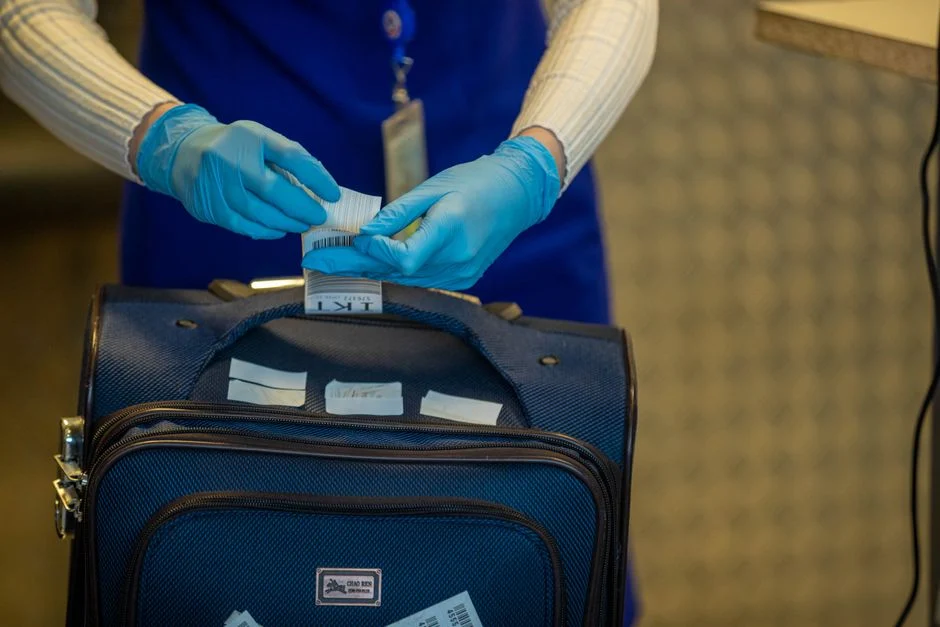
Understanding US Airport Security Programs
Travellers face three major choices for speeding through airport checkpoints. Each system works a bit differently. Some are run by federal agencies. Others rely on private biometric technology. Knowing the differences saves you both time and money.
The landscape of US government news often highlights funding updates for these security lanes. Demand keeps climbing as passenger numbers break records year after year. Let’s break down the contenders.
TSA PreCheck: The Standard Domestic Choice
TSA PreCheck is the baseline for most frequent US flyers. It operates at more than two hundred airports nationwide. Over ninety participating airlines feed passengers into these dedicated lanes.
You keep your shoes on. Laptops stay inside your bag. Belts and light jackets can also remain on your person. The process moves remarkably fast.
Applying costs around eighty dollars for a five-year membership. You fill out an online form. Then you book a short in-person appointment for fingerprinting. Background checks take a week or two.
Children aged twelve and under tag along with you for free. Teens aged thirteen to seventeen can join you if they share your reservation and have the PreCheck indicator on their boarding pass.
Coverage is strictly domestic. If you fly internationally several times a year, PreCheck alone leaves gaps. You still face standard customs lines when returning to the United States.
Global Entry: The International Traveller’s Best Friend
Global Entry solves the international arrivals problem. It costs roughly one hundred dollars for five years. That price includes full TSA PreCheck benefits.
When you land back in the US from London or Tokyo, you skip the main customs hall. Automated kiosks scan your face or fingerprints. You grab your bags and head straight for the exit.
The catch is the application process. Background checks are rigorous. Conditional approval can take months. Interviews at enrollment centers fill up fast.
Many credit cards cover the application fee for both PreCheck and Global Entry. Check your wallet before paying out of pocket. That perk alone makes Global Entry a bargain.
CLEAR: The Biometric Fast Track
CLEAR operates on a totally different model. It is a private company rather than a government agency. CLEAR uses your eyes and fingerprints to verify your identity.
You walk up to a dedicated kiosk. A camera scans your irises. An ambassador escorts you straight to the front of the physical security line.
You still need TSA PreCheck to keep your shoes on. CLEAR simply skips the ID check podium. It replaces the TSA agent who looks at your passport or driver’s licence.
The major drawback is price. CLEAR costs around one hundred and eighty-nine dollars every single year. That makes it significantly more expensive than government programs.
Some frequent flyers combine CLEAR with PreCheck. They skip the ID check and the luggage unpacking simultaneously. Airports like Atlanta and Denver see massive lines where this combo saves serious time.
Comparing Cost and Value
Money matters when picking among US airport security programs. Let’s look at the numbers directly.
TSA PreCheck runs about sixteen dollars per year. Global Entry averages twenty dollars annually while adding international perks. CLEAR charges nearly two hundred dollars every twelve months.
If you fly twice a year, CLEAR makes little financial sense. The math changes for business flyers dealing with weekly commutes. Saving twenty minutes at security weekly justifies the higher price tag for some professionals.
Which Program Wins? Our Final Recommendation
Most travellers should choose Global Entry. It costs only slightly more than PreCheck. It includes PreCheck benefits automatically. It fixes international arrival queues.
If you never fly abroad, get standard TSA PreCheck instead. Skip the extra expense of Global Entry interview hassles.
Add CLEAR only if your employer pays for it, or if you hold elite status with specific airlines that discount the membership. For the average passenger, the government options deliver better value by far.
For more information, visit our website.
Update: US Consular Fees 2026: What British Citizens Need to Know
Update: US Consular Services in the UK: What to Expect When Visiting the Embassy