Tech stocks are shifting again. If you’re tracking the Nasdaq latest news, you probably noticed the sudden swings shaking up Wall Street this week. Big tech names keep pulling the index in opposite directions. Investors want answers. Let’s separate the actual market data from the usual panic.
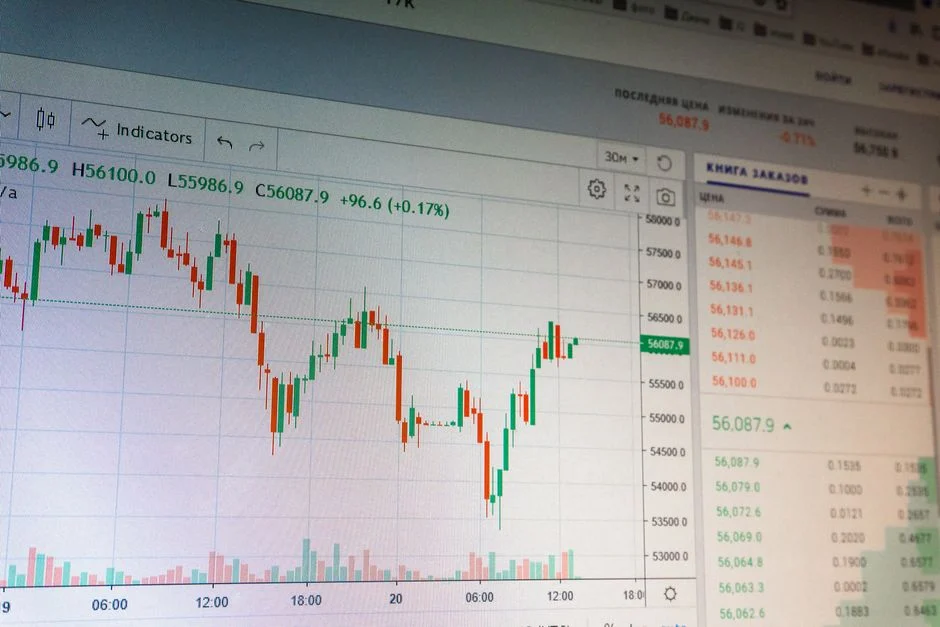
Myth: Tech Stocks Always Move Together
People assume the entire exchange rises or falls as one massive block. That’s simply not true. You’ll often see semiconductor firms surging while software giants bleed value.
Apple might drop while Microsoft climbs. The index is a basket. It holds over three thousand companies. Treating it like a single monolith obscures what’s actually happening on the trading floor.
Traders look at individual weightings. A handful of mega-cap firms drive most of the daily point swings. When those few heavy hitters stumble, the whole headline number looks terrible. That doesn’t mean every tech business is failing.
Fact: Interest Rates Dictate Market Mood
Higher borrowing costs hit growth companies hardest. That’s basic math. When the Federal Reserve hints at keeping rates steady, technology shares react instantly.
Borrowing money gets pricey. Future earnings look less impressive on paper today. Stock prices adjust downwards to match that reality. It’s not a conspiracy. It’s just valuation models at work.
You can check the US federal budget news to understand how broader fiscal policy trickles down into these borrowing costs. Washington’s spending choices matter far more to stock portfolios than daily social media hype suggests.
Myth: Earnings Reports Tell the Whole Story
A company beats revenue estimates and its stock plummets anyway. Happens all the time. Beginners find this baffling.
Markets trade on expectations, not past success. If Wall Street wanted a thirty percent growth rate and the firm only delivered twenty, the price drops. Forward guidance matters more than last quarter’s profit.
CEOs know this game well. They spend earnings calls managing future projections carefully. A single cautious sentence about supply chain delays can erase billions in market cap within minutes.
Fact: Algorithmic Trading Amplifies Every Swing
Human brokers don’t make every trade anymore. High-frequency algorithms execute millions of orders in milliseconds. They react to keywords, breaking headlines, and sudden volume spikes before humans even read the article.
This automation creates vicious feedback loops. A minor sell-off triggers automated stop-loss orders. Those sales trigger more algorithms. Suddenly, a normal market correction looks like a flash crash.
You have to look past the algorithmic noise. Daily volatility rarely reflects the long-term health of the underlying businesses. Patient investors ignore the frantic red and green ticker flashes entirely.
Cutting Through the Financial Noise
Following financial media can feel exhausting. Every routine dip gets labeled a crisis. Every minor rally gets hyped as a historic breakout.
Keep your focus on primary sources and actual earnings data. Ignore the daily panic. Markets fluctuate because that is literally what they were designed to do.
For more information, visit our website.
Related reading
Update: US Dollar News
Update: US Gas Prices Today