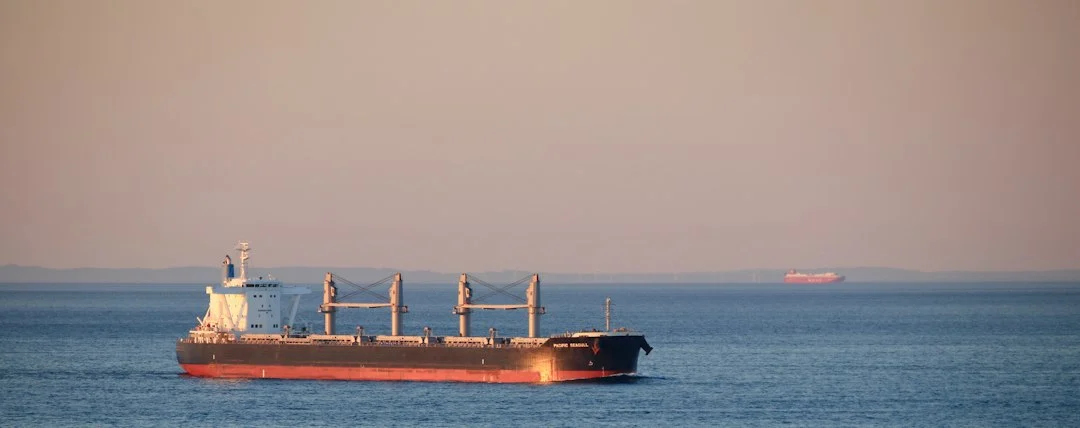
Tankers sit idling near the Strait of Hormuz. Traders watch every missile test and diplomatic breakdown with anxious eyes. When conflict flares in the Middle East, US Iran conflict risk assessment for UK businesses becomes an immediate priority, but energy markets react even faster. A single headline can add five dollars to a barrel of crude before breakfast.
Understanding Iran War Oil Prices and the Strait of Hormuz
Geography dictates vulnerability. Iran borders a narrow maritime corridor that carries a massive chunk of the planet’s daily petroleum supply. Millions of barrels move through these waters every single day. Tankers leave Gulf ports and head toward Asia, Europe, and the Americas.
If fighting breaks out, that route closes. Shippers will not risk multimillion-dollar vessels and crew safety in an active combat zone. Insurance rates skyrocket overnight. Tanker owners simply park their ships until the shooting stops.
Markets hate uncertainty more than bad news. When traders fear a blockade, prices spike immediately. They don’t wait for tankers to actually stop moving. Futures contracts reflect panic long before physical shortages hit local petrol stations.
The Mechanics of Global Crude Benchmarks
Brent crude and West Texas Intermediate dictate what you pay at the pump. These benchmarks track different grades of oil, but they move together during geopolitical crises. A shock in the Persian Gulf ripples straight into London and New York trading floors.
OPEC members hold spare capacity. Saudi Arabia and the United Arab Emirates can theoretically pump more oil to offset lost Iranian barrels. Can they pump enough? That remains the million-dollar question for analysts.
Spare capacity isn’t infinite. Turning on idle wells takes time and technical effort. If Iranian production goes offline permanently, other nations might struggle to fill the gap quickly enough to prevent severe shortages.
How Refineries and Supply Chains Respond
Crude oil isn’t burned straight from the ground. Refineries process it into petrol, diesel, jet fuel, and heating oil. Different refineries handle specific crude blends. Heavy sour crude from the Middle East requires specialized processing equipment.
Swapping suppliers isn’t like changing your electricity provider. Refineries tuned for specific Middle East grades face operational hurdles when switching to US shale or North Sea crude. These bottlenecks drive up refined product costs even further.
Freight costs add another layer of expense. If ships must take longer routes to avoid conflict zones, fuel consumption rises and delivery times stretch out. Every extra mile adds pennies to the final cost of a barrel.
What History Teaches Us About Past Disruptions
Markets have weathered supply shocks before. The 1973 oil embargo and the 1979 Iranian Revolution sent shockwaves through Western economies. Inflation soared. Central banks raised interest rates to combat runaway prices.
More recently, attacks on Saudi processing facilities in 2019 caused historic intraday price spikes. Prices jumped wildly before recovering as repairs finished faster than expected. Traders learned a valuable lesson from that event.
Modern markets absorb shocks better thanks to strategic petroleum reserves. The US and other allied nations maintain massive underground emergency stockpiles. Releasing these reserves dampens panic and keeps physical supply moving during acute crises.
Economic Fallout Beyond the Fuel Pump
Higher energy costs bleed into every sector of the economy. Transport companies pay more to move goods. Supermarket shelves cost more to stock because delivery lorries burn expensive diesel.
Airlines face massive profit squeezes when jet fuel prices surge. Ticket prices rise to compensate. Consumers cut back on discretionary spending as home heating and petrol bills consume a larger share of household income.
Central banks monitor these spikes closely. Sustained high energy prices fuel broader inflation. Policymakers face tough choices when deciding whether to raise interest rates while economic growth slows down.
Tracking the Outlook for Energy Markets
Predicting where energy costs go next is notoriously difficult. Diplomacy works behind the scenes while military forces posture publicly. One breakthrough agreement can wipe out weeks of war-risk premium in a single afternoon.
Traders keep a constant watch on diplomatic cables, satellite imagery of port traffic, and official statements from energy ministers. Every data point helps them price risk more accurately.
For now, volatility remains the only guarantee. As long as tensions persist in the region, energy markets will react sharply to every new development. Consumers and businesses must stay adaptable in an unpredictable economic environment.
For more information, visit our website.
Related reading
- Breaking Into the US Retail Market: What British Brands Need to Know Now
- US Economic Nexus for UK Sellers: Busting the Sales Tax Myths
Update: US Sales Tax Economic Nexus vs Physical Presence: Compliance Strategies for British Exporters
Update: US Iran War Logistics and Maritime Insurance Costs for British Importers