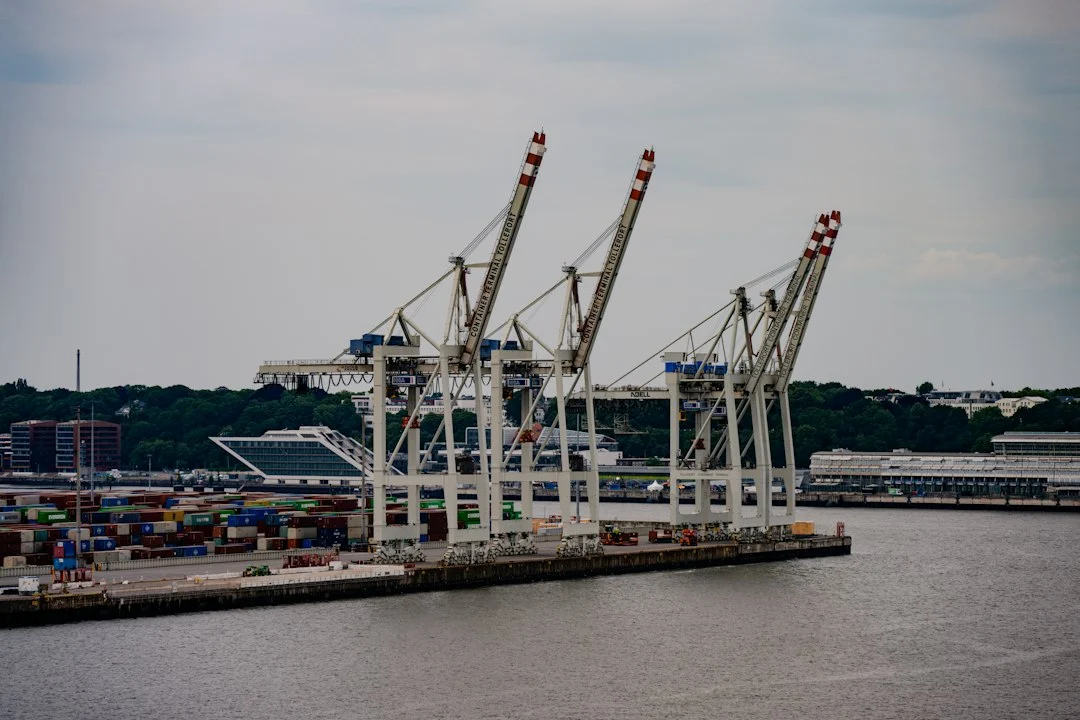
Cargo vessels are literally turning around in the middle of the Arabian Sea now, refusing to risk the Red Sea corridor. For British import managers, this means container ships are taking the long way round Africa instead of cutting through the Suez Canal. Every extra nautical mile costs fuel, time, and hard cash. These disruptions stem directly from escalating US Iran tensions UK businesses cannot afford to ignore.
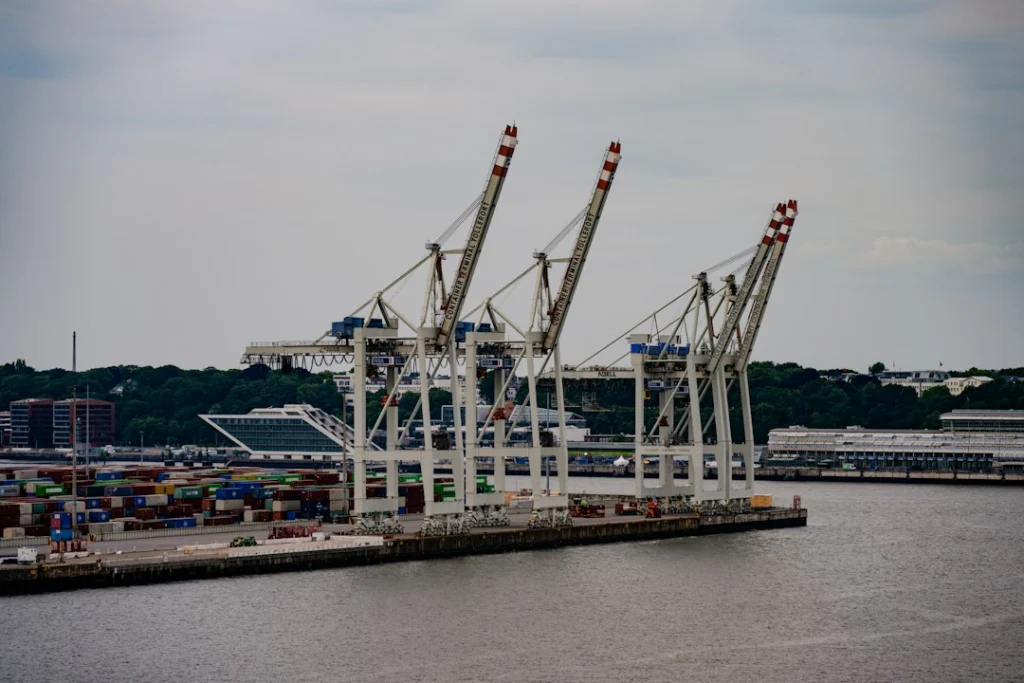
Why the Cape of Good Hope Route is the New Normal
Geography dictates global trade. When maritime security deteriorates in the Bab el-Mandeb strait, shipowners panic—and frankly, they have good reason to. Drones and anti-ship missiles do not discriminate between container ships and military targets. Master mariners receive new orders before entering the Gulf of Aden.
Instead of heading north toward the Mediterranean, they swing west past the Cape of Good Hope. This detour adds roughly ten to fourteen days to a standard voyage from Asian manufacturing hubs to Felixstowe or Southampton. Ten extra days means thousands of metric tons of bunker fuel burned, tying up physical inventory on the water for nearly two weeks longer than scheduled.
Carriers deployed extra vessels just to maintain weekly service loops, a phenomenon they call ghost capacity. Yet supply chains remain sluggish. Inventory planners in Birmingham and Manchester face rolling stockouts because goods arrive in batches rather than steady streams. Ports experience sudden congestion spikes when three delayed mega-ships dock on the exact same morning.
Insurance Costs and Marine Underwriting
War risk insurance premiums skyrocketed overnight. Underwriters in the London market review risk exposures hourly. When missiles fly near the Strait of Hormuz, rates jump from fractions of a percent to severe percentages of a ship’s total hull value. For a vessel worth a hundred million pounds, that translates to hundreds of thousands of pounds extra per transit.
Ship operators pass these fees straight to cargo owners. British retailers absorb the blow or push higher prices down to consumers. High street clothing chains, electronics distributors, and automotive parts suppliers all feel the pinch. Margins shrink. CFOs scramble to find liquid cash to fund shipments that cost thirty to fifty percent more than they did six months ago.
British logistics directors cannot simply switch carriers to bypass these hikes. Every major container line faces the same underwriting pressures, and Lloyd’s of London syndicates apply identical risk models across the board. The market operates as a single interconnected web.
Energy Markets and Manufacturing Inputs
Crude oil prices react instantly to every headline coming out of the Persian Gulf. Brent crude benchmarks jump whenever naval skirmishes break out, and refineries adjust their pricing formulas before the ink dries on morning reports. Higher oil prices ripple through industrial polymers, chemicals, and plastic packaging.
British manufacturing plants rely on imported petrochemical inputs. When those raw materials double in price, factory output slows. Small fabrication shops in the Midlands operate on razor-thin margins. They cannot absorb a sudden jump in energy overhead without cutting shifts or raising prices for domestic buyers.
Natural gas supplies face similar volatility. Even though the UK sources gas from various global basins, European storage levels fluctuate based on Middle Eastern market jitters. Energy-intensive industries like steel processing and ceramics production bear the brunt of these wholesale spikes.
Strategic Inventory Adjustments for British Firms
Just-in-time manufacturing is dead. Smart procurement teams abandoned lean inventory models the moment regional conflicts closed traditional sea lanes, and warehouses across the UK now stock safety buffers lasting ninety days instead of fourteen.
Tying up capital in physical stock hurts cash flow. But stopping production lines hurts worse. Factory floors keep running because procurement officers bought backup components months in advance, paying high storage fees for extra warehouse space near major distribution hubs.
Freight forwarders report a surge in air cargo bookings for urgent components. Tech hardware and pharmaceutical companies pay top dollar to fly critical parts directly into Heathrow. Air freight costs ten times more than ocean shipping, but companies only use it when a production line faces imminent shutdown.
Looking Ahead at Maritime Security
Naval escorts provide some reassurance to commercial fleets. British destroyers operating in regional coalition forces work hard to intercept incoming threats. Even so, shipping companies remain cautious—no captain wants to test a missile defense system with a hull full of consumer electronics.
The financial fallout from these geopolitical frictions will persist. Shipping lines committed to long-term charter rates based on extended transit times, and contract renewals reflect the new operational reality. British businesses must build high freight costs into their pricing models for the foreseeable future. Ignoring these macro realities is a gamble no commercial enterprise should take.
For more information, visit our website.
Related reading
- US Corporate Credit Cards for UK Founders: Ramp vs. Brexits alternatives
- US Secondary Sanctions on Iran: Financial Compliance for UK Businesses
Update: US Registered Agent Services: How UK Business Owners Can Choose the Right Provider
Update: SBA Loans for Small Business: What British Founders and US Owners Need to Know