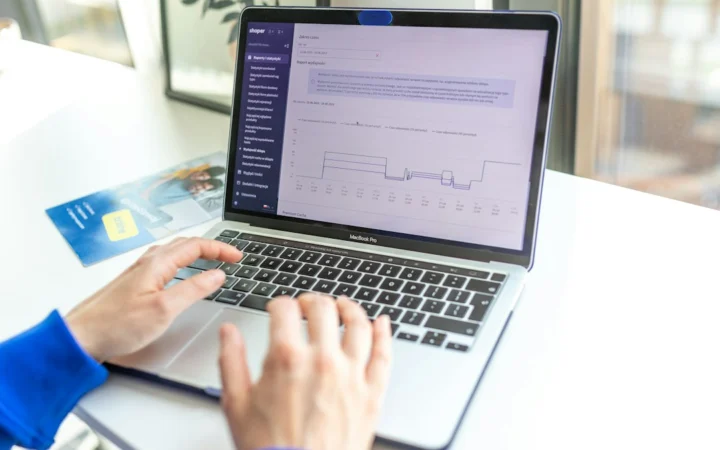
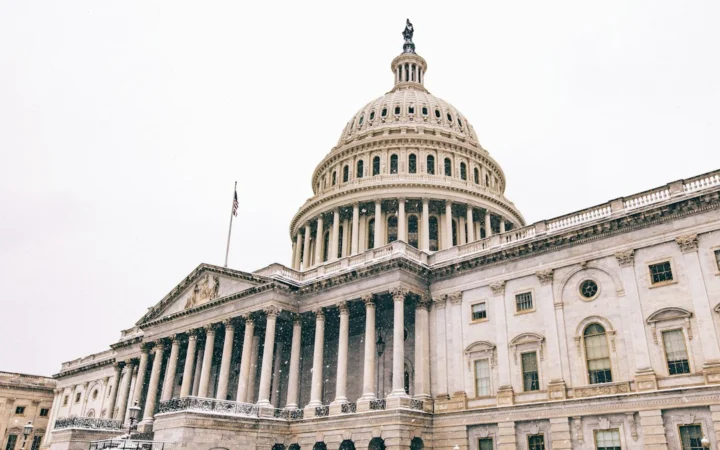
Watching US congressional hearings from across the Atlantic used to mean waiting for next-day newspaper clippings or catching brief clips on BBC News. Today, anyone sitting in a London flat or a Manchester office can stream multi-hour Capitol Hill debates in real-time. If you want to understand how American policy shifts happen before bills ever reach the floor, watching US congressional hearings is essential. Committees are where legislation is actually shaped, witnesses are grilled, and political battles play out in microscopic detail.
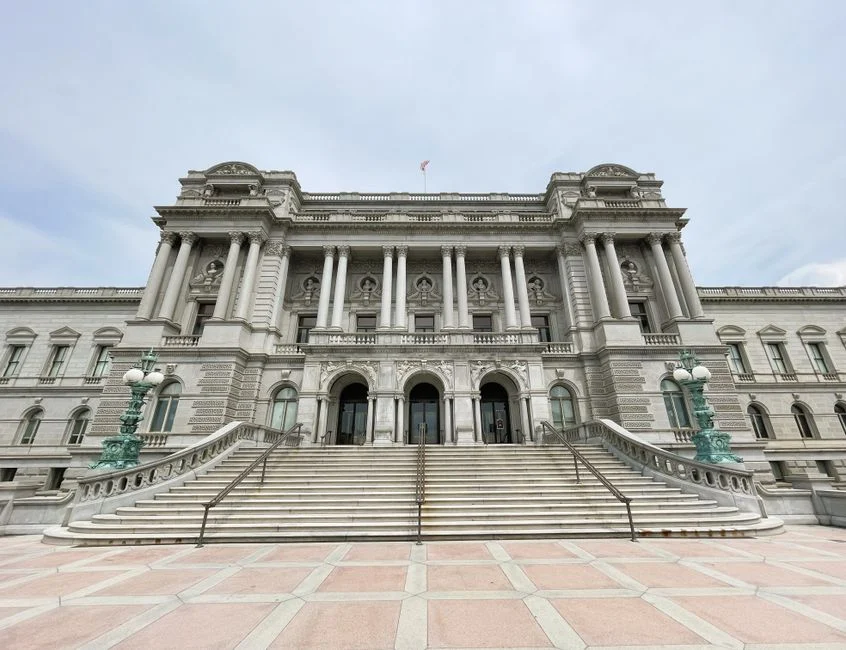
Following these sessions from Britain requires knowing where to look, how time zones affect your schedule, and which digital portals bypass the editorial filters of cable news. Capitol Hill runs on a packed schedule, and navigating the digital infrastructure of Washington takes a bit of practice. Here is a practical roadmap for tracking congressional oversight and committee work from the UK.
Mastering the Official Schedules
You cannot watch a hearing if you do not know when it starts. Washington operates on Eastern Standard Time, which puts them five hours behind Greenwich Mean Time during standard time, and four hours behind during British Summer Time. A morning hearing starting at 10:00 AM in Washington kicks off at 2:00 PM or 3:00 PM in the UK.
Head straight to the official sources rather than relying on social media alerts. The House of Representatives and the Senate maintain central master calendars. Visit Congress.gov or the individual committee websites to view the weekly schedule. Committees publish notices days in advance, complete with room numbers, witness lists, and expected topics.
Set up calendar reminders based on Washington time. Keep in mind that hearings frequently start late. A scheduled 10:00 AM gavel-drop often slips by twenty minutes because of votes on the House or Senate floor. Patience is part of the process.
Accessing Live Streams and Video Feeds
Finding a reliable video feed used to be a headache. Now, official government portals provide clean, unedited video streams with zero commercials. Every single committee streams its proceedings directly through its own website or via its official YouTube channel.
Start with the official committee page for whichever panel interests you. The House Judiciary Committee, Senate Foreign Relations, and House Oversight all embed live video players directly onto their homepages the moment a session begins. You get the raw camera angles focusing on the dais and the witness table without talking heads interrupting every five minutes to tell you what you just saw.
C-SPAN remains the gold standard for independent coverage. Their website and digital apps offer multiple simultaneous streams of House and Senate committee rooms. If two high-profile hearings run at the same time, C-SPAN lets you toggle between them effortlessly. Their archive also indexes past hearings quickly, making it simple to catch up on testimony you missed during the UK working day.
Downloading Witness Testimony and Documents
Watching the verbal sparring is only half the battle. Serious observers need the paperwork. Before a witness opens their mouth, they submit a written statement. Committees publish these documents online hours or sometimes days before the gavel falls.
Check the hearing notice page on the specific committee website. You will find downloadable PDF copies of prepared remarks from every invited expert, agency official, or corporate executive. Reading these statements ahead of time gives you a massive advantage. You will spot the exact talking points witnesses plan to deploy before lawmakers even start asking questions.
Once the hearing concludes, updated documents appear on the same portal. This includes letters requested by lawmakers during the session, supplemental agency reports, and written answers to questions for the record. Committees often post transcripts days or weeks later, allowing you to verify exact quotes.
Bypassing Cable News Noise
British viewers often rely on American cable networks for US politics. That approach usually backfires during major hearings. Cable channels cut away constantly to studio anchors who analyze every minute gesture, missing crucial testimony in the process.
Stick to raw feeds to form your own conclusions. Watch the lawmakers interrogate witnesses without a pundit telling you who won the exchange. When a cabinet secretary or intelligence chief testifies, watch their full delivery rather than a ten-second soundbite on an evening bulletin.
If you need background context on ongoing political fights, read the committee minority and majority memos. Staff members draft these briefing documents to outline their respective strategies. They lay out the core arguments, disputed facts, and legislative goals clearly.
Practical Tips for UK-Based Observers
Managing the time difference is your biggest hurdle. Hearings often stretch for four or five hours. You do not need to sit through the entire ordeal. Most high-impact questioning happens in the first ninety minutes after opening statements conclude.
Use the timeline markers on YouTube or C-SPAN archives to jump straight to specific members of Congress. Lawmakers question witnesses in order of seniority. If you only care about a specific senator from a particular state, check the committee roster to estimate when their five-minute questioning block begins.
Combine official streams with reliable text-based reporting from wire services like Reuters or the Associated Press. They provide real-time bullet points while you watch the video feed. This combination keeps you fully informed without demanding your undivided attention for an entire afternoon.
For more information, visit our website.
Related reading
Update: US Passport Renewal from the UK: What Americans Abroad Need to Know Now
Update: How to Monitor US Congressional Hearings From the UK