

Gather Your Records Before You Start
Moving across the Atlantic doesn’t cut ties with the IRS. If you’re a US citizen or green card holder living in Britain, you still have to file a US tax return every single year. Ignore this obligation and you’ll invite costly penalties.
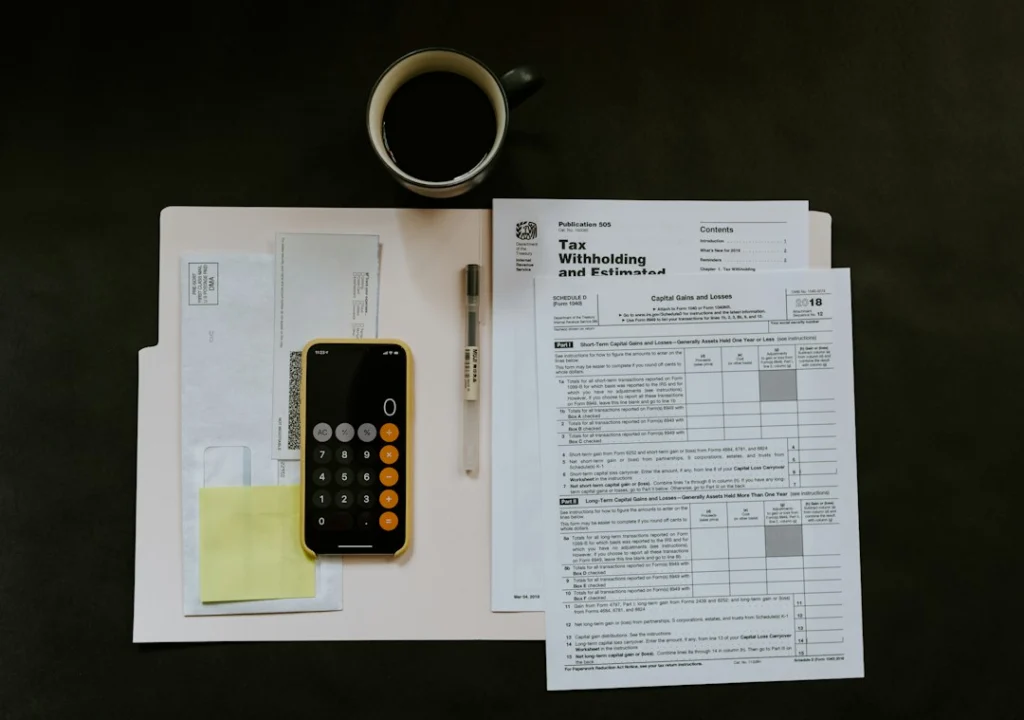
Start by collecting your paperwork. You need your British P60 or P45 forms, bank interest statements from both UK and US accounts, and records of any investments. Keep track of currency exchange rates. The IRS wants figures reported in US dollars. Use the official yearly average exchange rate published by the Treasury for most income, or the exact daily rate for specific transactions if you prefer.
Understand Your Filing Deadlines and Extensions
April 15 is the standard deadline everyone talks about. But if you live abroad, you get an automatic extension to June 15. You don’t even need to request it. Just attach a statement explaining your overseas residency when you mail or e-file your documents.
Need even more time? You can request a further extension until October 15 using Form 4868. If you owe money, interest still accumulates from April 15. Pay what you estimate you owe early to avoid extra charges.
Figure Out Your Foreign Earned Income Exclusion
Double taxation is a massive headache for expats. Fortunately, Uncle Sam offers a couple of ways to avoid paying tax twice on the same income. The Foreign Earned Income Exclusion lets you shelter a significant chunk of your foreign salary from US tax.
To qualify, you must pass either the bona fide residence test or the physical presence test. The physical presence test is straightforward. You need to spend at least 330 full days outside the US during a 12-month period. File Form 2555 to claim this exclusion. It drastically reduces your taxable income.
Tackle the Foreign Tax Credit Instead
If your British tax bill is higher than your US liability, the Foreign Tax Credit is usually your best bet. You get a dollar-for-dollar credit on your US return for income taxes paid to HMRC. This route often makes more sense than the exclusion if you live in a high-tax jurisdiction like the UK.
You claim this using Form 1116. It takes some math to figure out, but it prevents you from getting squeezed by both tax authorities. Many dual nationals mix and match these strategies depending on their specific income sources.
Don’t Forget Foreign Bank Account Reporting
Taxes are only half the battle. If you have foreign financial accounts holding more than $10,000 at any point during the calendar year, you must file a FinCEN Form 114. People call this the FBAR.
The FBAR goes through the Financial Crimes Enforcement Network, not the IRS. The penalties for missing this deadline are severe. File it electronically through the BSA E-Filing System well before the October deadline. Check your UK savings accounts, joint accounts, and workplace pensions carefully.
Choose Your Filing Method
You can use commercial tax software designed for expats, hire a cross-border CPA, or fill out the PDF forms manually. Paper filing takes months for the IRS to process. E-filing is much faster, but most standard US tax software blocks non-US IP addresses or phone numbers. Look for specialized expat platforms that handle foreign addresses smoothly.
Double-check your Social Security number and bank routing details before hitting submit. A small typo causes massive processing delays.
For more information, visit our website.
Related reading
- US Business Credit Scores: The Myths British Founders Fall For
- How US Treasury Bonds Work for British Investors
Update: US Corporate Bank Accounts for UK Founders: 5 Things You Need to Know
Update: US Treasury Yields