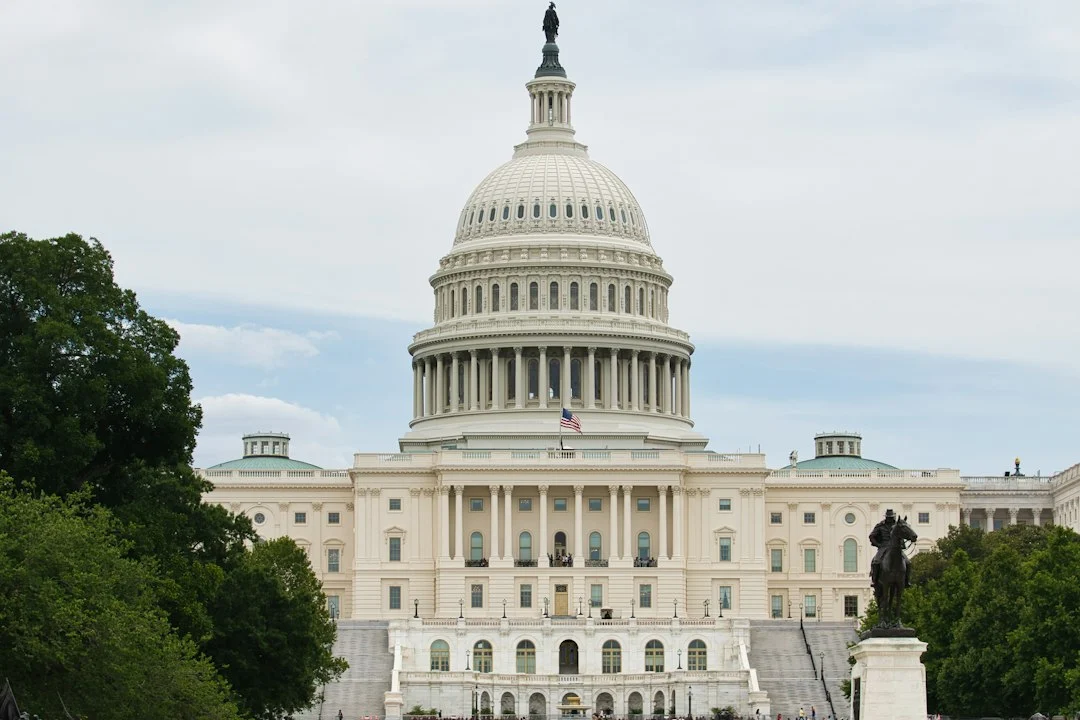
Lawmakers in Washington and state capitals face a massive policy puzzle. Developing a cohesive framework for AI regulation USA has proven remarkably difficult. Congress struggles to pass comprehensive federal statutes while individual states rush to fill the legislative void. Tech companies, legal experts, and citizens now find themselves caught between two entirely different governance models. Understanding how these approaches clash helps clarify where American technology policy is heading.
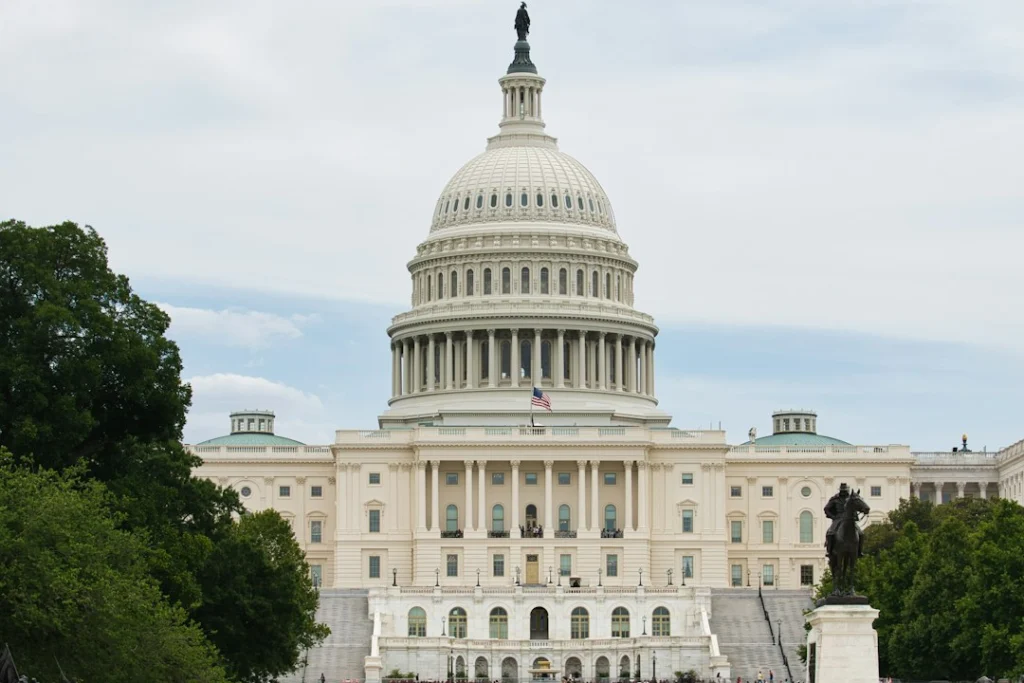
The Patchwork Problem of State-Level AI Regulation USA
California and Colorado often lead the charge on technology laws. State legislatures refuse to wait for federal action when constituents demand privacy protections or algorithmic accountability. Lawmakers in Sacramento drafted strict rules regarding automated decision-making and consumer data privacy. Other states quickly followed with their own distinct bills.
This state-driven strategy creates distinct hurdles. Tech firms must navigate a confusing maze of conflicting rules across fifty different jurisdictions. Compliance costs skyrocket for startups that cannot afford massive legal teams. A software feature legal in Texas might violate a newly passed statute in New York. Critics argue this fragmented environment stifles innovation and hurts American competitiveness globally. Proponents counter that states act as vital policy laboratories, testing rules that eventually scale up to the national level. If you want to see how federal lawmakers attempt to keep pace with these state initiatives, you can learn how to track US congressional votes online to monitor pending tech bills on Capitol Hill.
Why Federal Oversight Moves Slowly
Federal lawmakers move at a notoriously deliberate pace. Partisan gridlock routinely halts major technology bills before they even reach the floor for a vote. Senators and representatives disagree fundamentally on the scope of government oversight. Some politicians want strict federal standards to protect civil rights and prevent election interference. Others fear excessive red tape will hand technological dominance to foreign competitors like China.
Federal agencies attempt to use existing statutory powers to regulate algorithms and machine learning models. The Federal Trade Commission brings enforcement actions against companies using deceptive AI tools. Yet, agency guidelines lack the force of dedicated legislation passed by Congress. Without a unified national law, enforcement remains reactive rather than proactive. Regulators punish companies after harm occurs instead of establishing clear safety standards upfront.
Comparing Enforcement and Compliance Burdens
Let us look at how these two systems handle everyday compliance. State regulators rely heavily on private rights of action in certain jurisdictions. Consumers can sue companies directly under specific state laws for algorithmic bias or data misuse. This exposes businesses to aggressive litigation from state attorneys general and private plaintiffs alike.
Federal oversight usually centralizes enforcement within specific agencies. The Department of Justice and specialized federal watchdogs investigate systemic violations rather than fielding millions of individual consumer lawsuits. Large technology corporations generally prefer federal oversight for this exact reason. Dealing with one federal regulator is far easier than fighting lawsuits in twenty different state courts. Smaller developers, however, worry that federal standards might favor established industry giants who can afford high-priced Washington lobbyists.
The Verdict: Which Approach Prevails
Neither model offers a perfect solution on its own. Pure state-level control creates a chaotic legal landscape. Pure federal control risks stagnation due to partisan deadlock in Congress. Realistically, America is heading toward a hybrid model.
Congress will eventually pass a targeted federal baseline statute for high-risk artificial intelligence. This national standard will preempt minor state rules while leaving room for states to enforce stricter local protections in specific sectors. Companies should prepare for federal preemption on core technical standards while maintaining compliance teams fluent in state-level consumer privacy laws. Expect this tension between Washington and state capitals to define American technology policy for the next decade.
For more information, visit our website.
Related reading
- US Iran Cyber Warfare: Protecting UK Corporate Networks From State-Backed Hacking
- US Iran War Cyber Threats: What UK Companies Face Now
Update: US Iran War Cyberattacks
Update: US eSIM Plans vs Carrier Roaming Passes: Choosing Connectivity for Your American Trip