- What are SBA 7(a) loans and how do they work?
- What credit score do you need to qualify for SBA 7(a) loans?
- What paperwork do lenders require during the application?
- How long does the approval process take?
- Can foreign founders apply for SBA 7(a) loans?
- What are the most common reasons lenders reject applications?
Securing affordable capital is rarely straightforward. Even so, SBA 7(a) loans remain the gold standard for American small businesses looking to expand. Backed by the federal government, these programs offer lower interest rates and longer repayment terms than standard commercial bank financing. Lenders take on less risk because the Small Business Administration guarantees a portion of the debt. That guarantee changes the math entirely for borrowers who might otherwise get rejected. Still, getting approved takes patience, meticulous record-keeping, and a clear understanding of what underwriters look for.
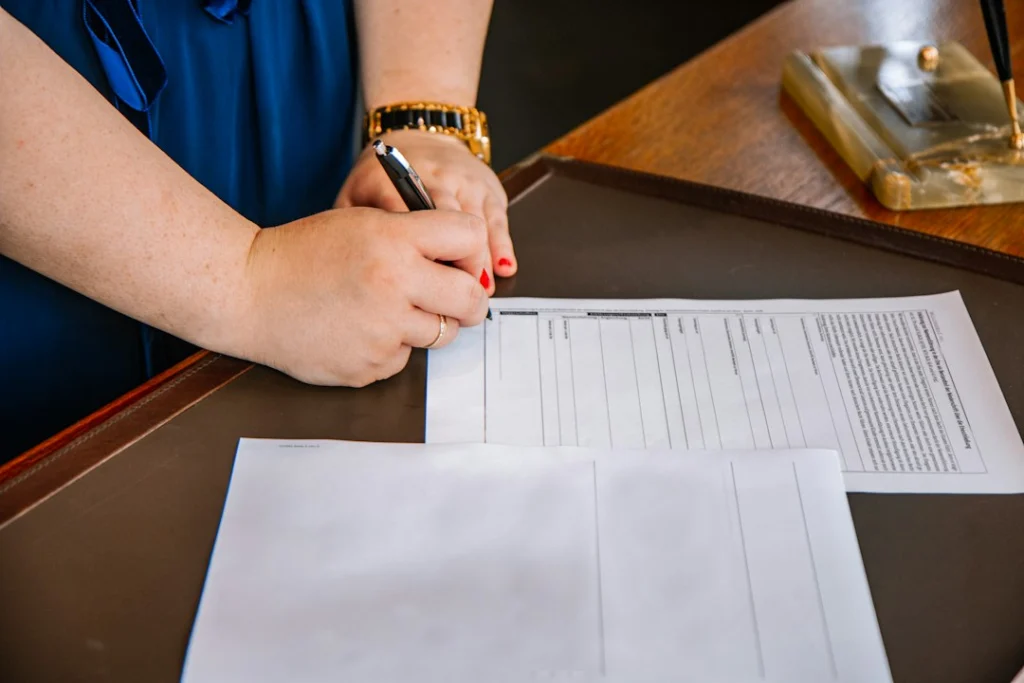
What are SBA 7(a) loans and how do they work?
The Small Business Administration doesn’t hand out cash directly. Instead, they partner with approved banks, credit unions, and specialized lenders to issue the funds. When you apply for SBA 7(a) loans, you are actually negotiating with a private financial institution. That institution follows federal guidelines to evaluate your creditworthiness. If you default, the government reimburses the lender for an agreed-upon percentage of the loss. This setup encourages banks to lend to smaller, riskier enterprises that lack massive corporate assets.
You can use the capital for almost any standard business purpose. Common uses include working capital, purchasing commercial real estate, refinancing existing high-interest debt, or buying out a partner. The maximum loan amount sits at five million dollars, though the average size is considerably smaller. Repayment terms stretch up to twenty-five years for real estate and ten years for equipment or working capital. Variable interest rates are pegged to the prime rate, meaning your monthly payment can fluctuate as economic conditions shift.
What credit score do you need to qualify for SBA 7(a) loans?
Lenders want to see a personal credit score of at least 650, though many prefer 680 or higher. Your personal credit matters immensely. After all, most small businesses lack decades of corporate credit history. Underwriters pull your personal FICO score to gauge your reliability with debt. A low score doesn’t automatically mean instant rejection. Lenders will examine why your score sits where it does. Medical debt or a past isolated incident carries less weight than a pattern of missed credit card payments.
Beyond personal credit, lenders review your business credit profile if you have one. They look at your debt-to-income ratio, cash flow history, and existing liabilities. If your business brings in steady revenue and shows positive net income, you stand a much better chance of approval. You also need to demonstrate that your company can comfortably generate enough cash to cover the new monthly payment alongside existing operating expenses.
What paperwork do lenders require during the application?
Paperwork dictates the speed of your application. Lenders ask for a mountain of documents before they send your file to the underwriting desk. You must provide personal and business tax returns for the past three years. Profit and loss statements and year-to-date balance sheets are mandatory. You will also need a comprehensive business plan detailing how you intend to use the funds and grow your enterprise over the next five years.
Additional items include personal financial statements for every owner holding twenty percent or more of the equity. Legal documents like your articles of incorporation, business licenses, and commercial leases must be attached. If you operate as a registered entity, ensure your corporate compliance is entirely up to date. Keeping your records aligned with FinCEN beneficial ownership reporting prevents administrative delays that could halt your loan progression entirely.
How long does the approval process take?
Speed is not a strong suit of government-backed financing. From initial application to final funding, expect the process to take anywhere from thirty to ninety days. Traditional banks move slowly due to heavy regulatory compliance checks. Some modern online lenders partner with the SBA to streamline parts of the workflow, cutting that timeline down slightly. Still, anticipating a lengthy wait prevents cash flow crunches while you wait for capital.
The timeline breaks down into distinct phases. Gathering documents takes a week or two. Bank underwriting usually consumes two to four weeks. Once the file goes to the SBA for final review, approval can happen in a few days or stretch out if they request clarification. Rushing the initial document submission is the single best way to avoid unnecessary weeks of waiting.
Can foreign founders apply for SBA 7(a) loans?
Non-citizen founders often wonder if they can access these programs. The short answer is yes, but strict residency requirements apply. You must be a Lawful Permanent Resident holding a green card, or your business must be majority-owned by US citizens. Temporary visa holders rarely qualify unless they meet very specific, narrow exceptions. Lenders also require all principal owners to reside primarily in the United States.
If you are a UK entrepreneur operating a Delaware corporation from London, qualifying for these specific federal programs proves extremely difficult. You will likely need a local US-resident partner who holds a controlling stake and permanent residency. Otherwise, private commercial lenders, venture capital, or asset-based financing serve as better routes for foreign-owned enterprises seeking expansion capital.
What are the most common reasons lenders reject applications?
Rejection usually stems from predictable financial missteps. Insufficient cash flow is the leading culprit. If your monthly revenue barely covers rent and payroll, a lender will not trust you with a hefty debt service. Unpaid tax liens or past defaults on federal loans result in immediate disqualification. The SBA has zero tolerance for applicants who currently owe money to the government.
Incomplete business plans sink many applications. Lenders want to see realistic financial projections backed by actual market data, not optimistic guesses. If your projections rely on vague assumptions without supporting evidence, underwriters lose confidence in your ability to repay the debt. Taking time to refine your numbers before submitting an application dramatically improves your odds of hearing a yes.
For more information, visit our website.
Learn more on Wikipedia: SBA 7(a) Loan.
Related reading
- How to Monitor Middle East Supply Chains During US-Iran Tensions
- US Business Licenses for Foreign Owners
Update: How to Monitor Middle East Supply Chain Disruptions from the UK
Update: US Sales Tax Nexus for UK E-Commerce Sellers: What You Need to Know